Full Summary
All-Weather Sports Turf Proposal for Nelson City Council
Executive Summary
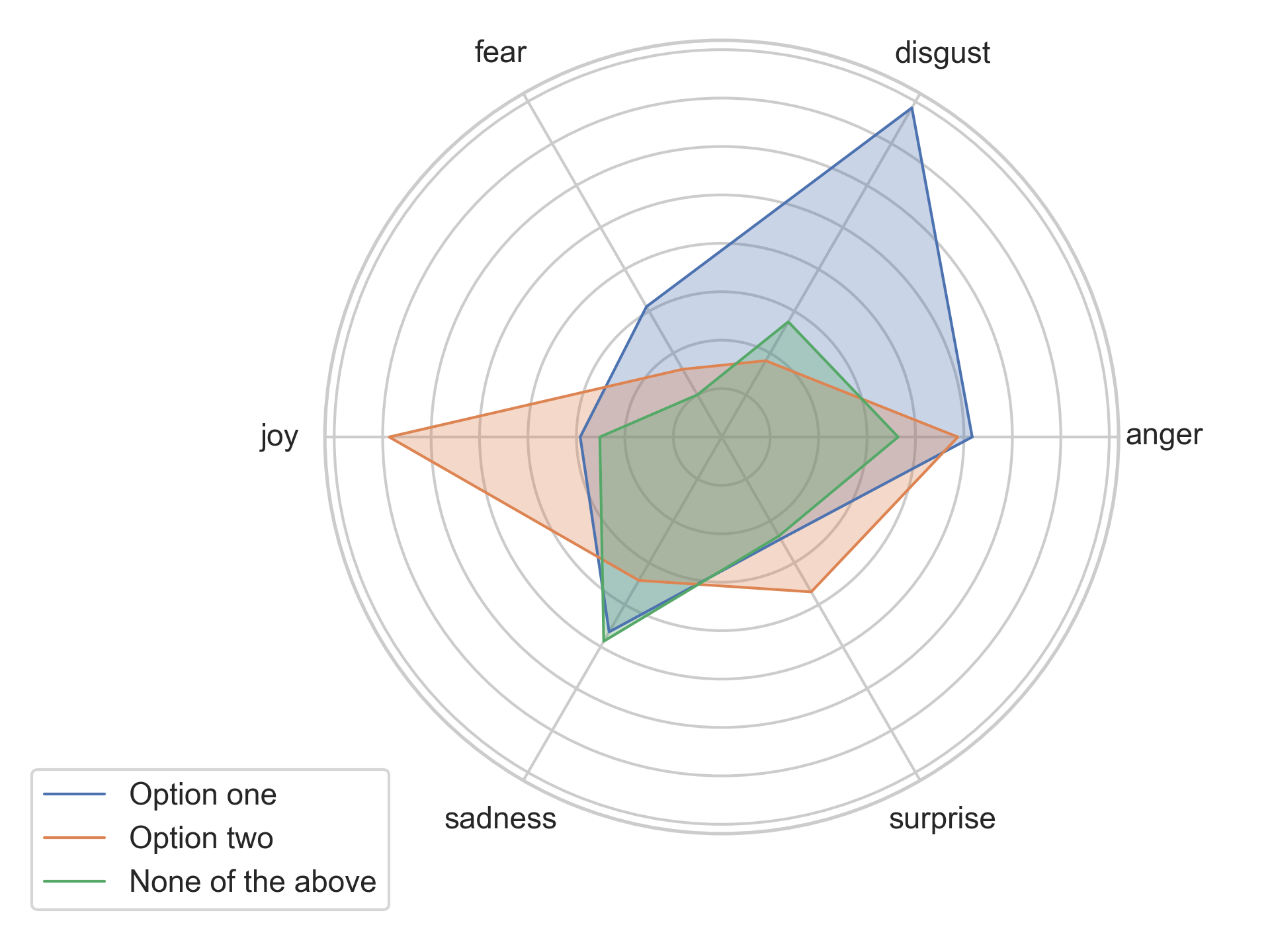
This report analyzes community feedback regarding the proposal to construct an all-weather sports turf in Nelson, contrasting it with the option to continue upgrading existing sports fields. The analysis reveals significant community concern about the environmental impact, accessibility, and cost-effectiveness of the all-weather turf. Many residents favor enhancing current facilities to benefit a broader segment of the community and reduce environmental harm.
Introduction
Nelson City Council faces a decision on improving sports facilities to meet the needs of local sports codes. The council proposed constructing an all-weather sports turf, anticipated to provide a reliable venue for sports activities regardless of weather conditions. This report consolidates community feedback to guide the council's decision-making process.
Community Feedback Overview
Feedback was collected through written submissions, with residents expressing diverse opinions on the proposed all-weather turf and the alternative of upgrading existing sports fields.
Analysis of Community Wellbeing Impacts
- Accessibility and Equity: Concerns were raised about the all-weather turf primarily benefiting larger, centrally-located clubs, potentially marginalizing smaller clubs and those based in outlying areas.
- Community and Cultural Values: Some residents highlighted the potential for the all-weather turf to serve as a community hub and attract regional sports events, enhancing local pride and community spirit.
Economic Considerations
- Cost Implications: The all-weather turf involves a significant initial outlay and ongoing maintenance costs, which some community members felt could be better allocated to more inclusive projects.
- Potential Economic Benefits: Proponents argue that the turf could stimulate local economy by hosting tournaments and increasing tourism.
Environmental Benefits and Challenges
- Sustainability Concerns: A major point of contention is the environmental impact of the artificial turf, particularly issues related to microplastic pollution and higher carbon emissions compared to natural grass fields.
Operational Considerations
- Funding and Budget Reallocation: The project's feasibility depends on substantial funding from sports codes and reallocation of existing budgets, which could impact other community services and amenities.
Comparison of Options
Option 1 (upgrading existing fields) is seen as less disruptive and more environmentally friendly, potentially benefiting a wider range of users. Option 2 (constructing an all-weather turf) offers advantages in terms of reliability and professional appeal but raises concerns over exclusivity and environmental impact.
Council's Strategic Objectives Alignment
The decision aligns with broader strategic objectives around community health and vitality. However, the choice between options hinges on prioritizing either immediate, high-quality sports facilities or long-term, sustainable community development.
Recommendations
Given the feedback, it is recommended that the council re-evaluates the necessity and desirability of the all-weather turf, considering the strong community preference for enhancing existing facilities and addressing environmental concerns.
Conclusion
The decision on how to proceed with sports facility improvements in Nelson should carefully balance immediate sports needs with long-term community and environmental impacts. The widespread community feedback favors improving existing facilities to serve a broader public and protect environmental interests.