Full Summary
Forestry Management Options Report for Nelson City Council
Executive Summary
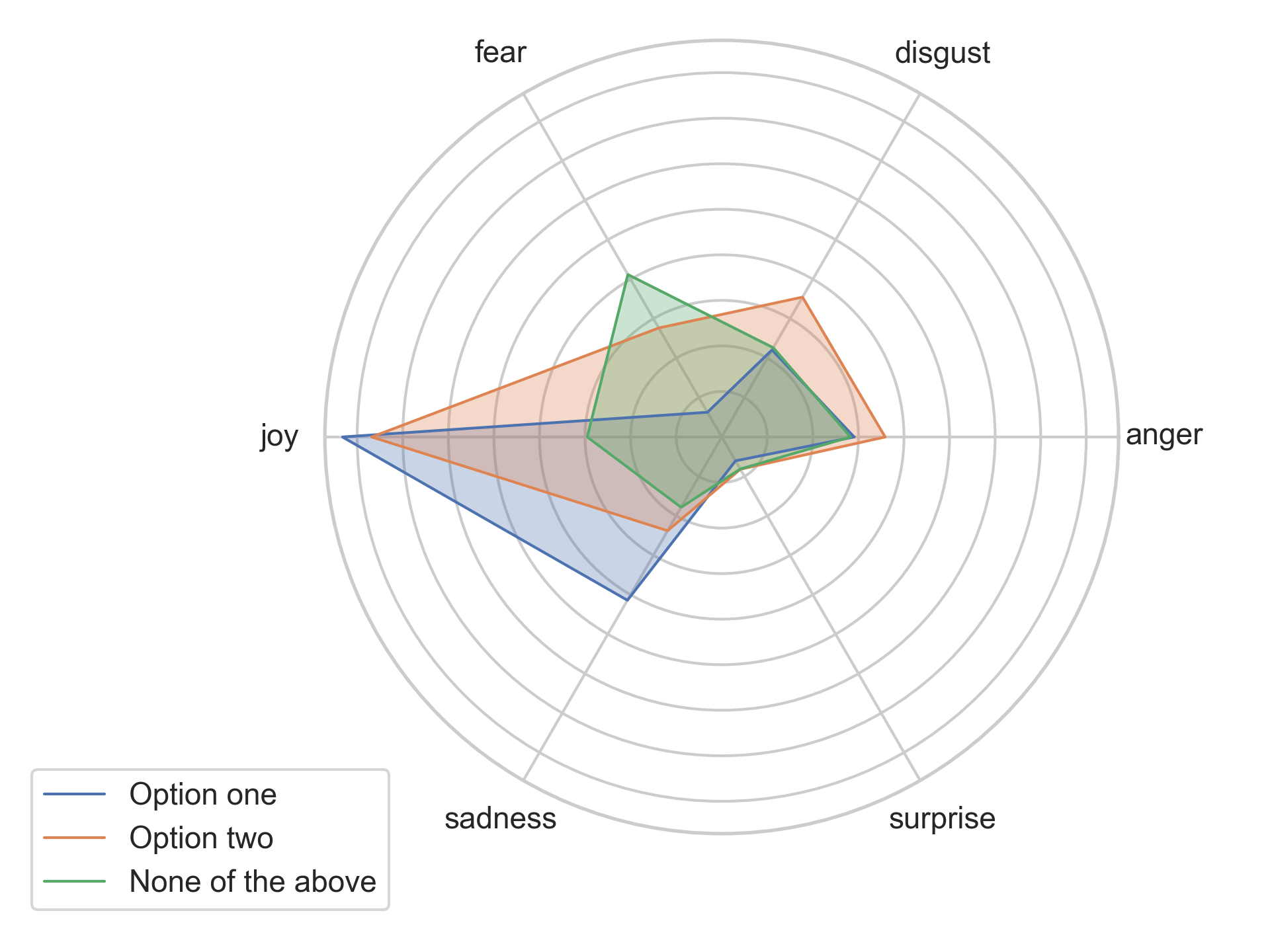
This report synthesizes community feedback regarding the Nelson City Council's proposed changes to its forestry management practices. The council presented two options: maintaining current commercial forestry practices (Option 1) and transitioning to a continuous canopy of mixed-species forests (Option 2). The overwhelming majority of community feedback supports Option 2, citing long-term environmental benefits, enhanced recreational opportunities, and improved biodiversity and ecosystem health. The report recommends that the council pursue Option 2, aligning with community preferences and strategic objectives for sustainable and inclusive environmental management.
Introduction
Nelson City Council is at a pivotal decision point regarding the management of its forestry assets. This report aims to provide a comprehensive analysis of public opinions and the implications of each proposed forestry management option to inform the council's decision-making process.
Community Feedback Overview
The council received a significant amount of feedback from the community, with the majority expressing strong support for Option 2. Residents highlighted the need for environmental preservation, enhanced recreational spaces, and the long-term benefits of transitioning to mixed-species forests.
Analysis of Community Wellbeing Impacts
- Safety and Environmental Stability: Option 2 is perceived to reduce risks related to erosion, flooding, and fire hazards through the establishment of continuous canopy forests.
- Recreational and Aesthetic Value: Enhancing recreational infrastructure and aesthetic value of forested areas were key points in favor of Option 2, with potential to attract tourism and improve quality of life for residents.
- Health and Biodiversity: Improved air quality and biodiversity through native species planting were also significant considerations, with community members expecting positive impacts on local wildlife and natural habitats.
Economic Considerations
- Cost Implications: Although Option 2 involves higher initial costs, feedback suggests that these could be offset by long-term environmental and recreational benefits.
- Employment Opportunities: Transitioning to mixed-species forests could create new jobs in environmental management, conservation, and eco-tourism sectors.
Environmental Benefits and Challenges
- Biodiversity Enhancement: Option 2 is favored for its potential to significantly improve biodiversity and ecosystem resilience.
- Sustainability: This option aligns with sustainable forestry practices, reducing the negative impacts of clear-felling and supporting carbon sequestration efforts.
Operational Considerations
- Implementation Strategy: Effective implementation of Option 2 would require phased transitions, comprehensive planning, and ongoing community engagement.
- Regulatory Compliance: Both options require adherence to national forestry standards, but Option 2 may also drive the need for updated regulations to support sustainable practices.
Comparison of Options
Option 1 offers continuity and financial predictability but fails to address environmental and recreational deficiencies. Option 2, while initially more costly, provides comprehensive benefits across community wellbeing, economic opportunities, and environmental sustainability.
Council's Strategic Objectives Alignment
Option 2 closely aligns with the council's strategic goals of enhancing community wellbeing, promoting sustainable environmental practices, and fostering economic resilience through eco-tourism.
Recommendations
The report recommends that Nelson City Council adopt Option 2, transitioning to a continuous canopy of mixed-species forests. This approach is strongly supported by community feedback and aligns with long-term strategic objectives. Implementation should include detailed planning, stakeholder engagement, and potential exploration of funding mechanisms such as grants and eco-tourism revenue.
Conclusion
Adopting Option 2 will position Nelson as a leader in sustainable and community-focused forestry management, enhancing the environmental, economic, and social fabric of the city for future generations.
Appendices
Detailed community feedback, cost analyses, expert consultations, and regulatory reviews are included to support the findings and recommendations of this report.