Full Summary: Housing Reserve Fund Changes
Executive Summary
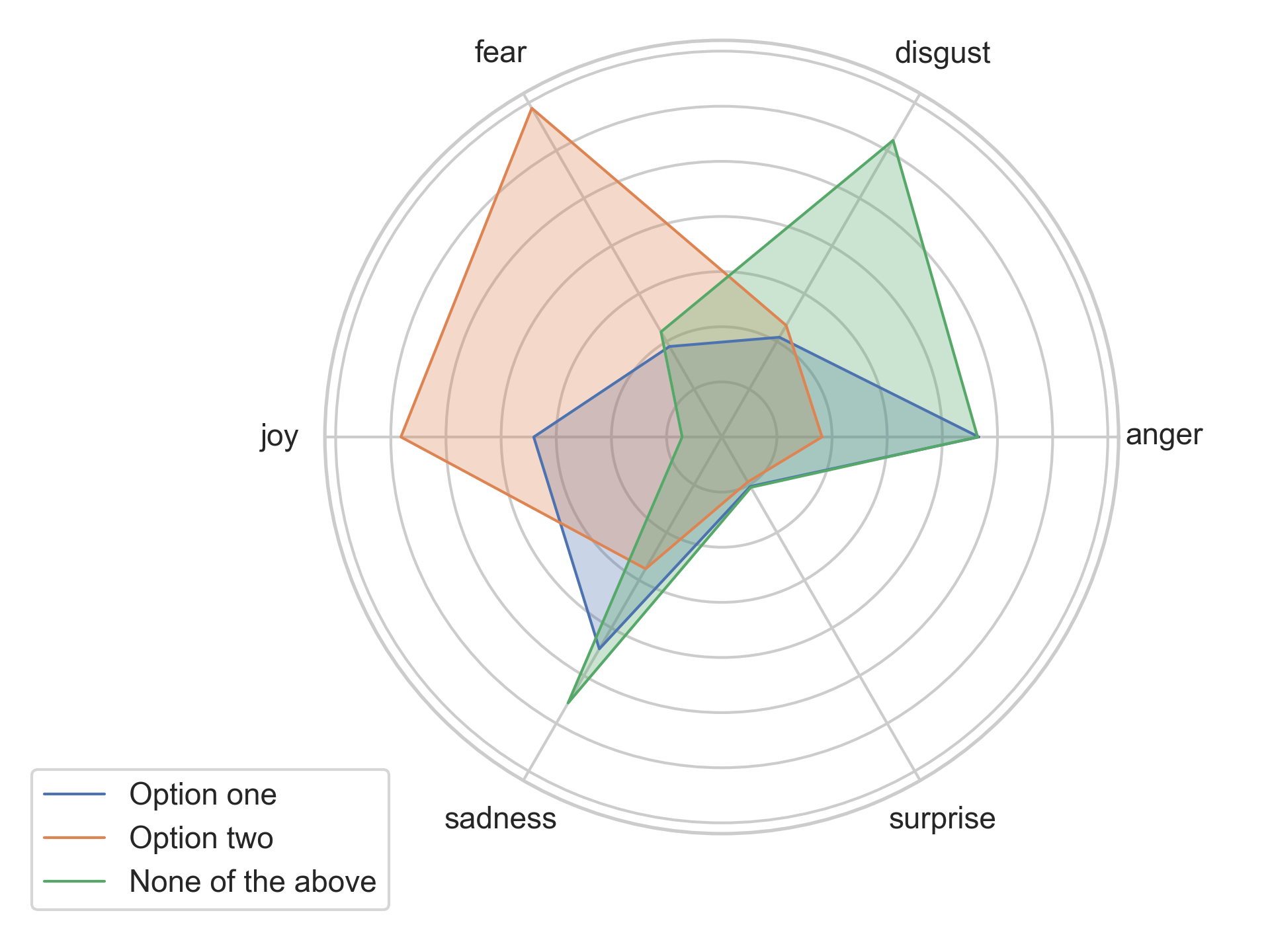
This report analyzes community feedback regarding proposed changes to the Housing Reserve Fund in Nelson. The council presented two options: retaining the current approach (Option 1) and broadening the fund's purpose to include support for vulnerable housing (Option 2). The analysis of the feedback reveals a divided community with strong opinions on both sides. The primary concerns include the appropriate role of the council in housing, the effectiveness of the fund's use, and the potential impact on social and affordable housing availability.
Introduction
The Nelson City Council proposed changes to the Housing Reserve Fund, initially established from the proceeds of divested community housing to support social and affordable housing projects. The proposed changes aim to address the pressing issue of housing for vulnerable populations by potentially broadening the fund's scope. This report compiles and analyzes public feedback to guide the council's decision-making process.
Community Feedback Overview
The feedback from the community is highly polarized. Some residents express strong support for expanding the fund to include vulnerable housing support, citing the critical need for such initiatives. Others argue that the council should not broaden the fund's purpose, emphasizing that housing should remain the responsibility of central government or specialized organizations.
Analysis of Community Wellbeing Impacts
- Safety and Security: Proponents of Option 2 argue that supporting vulnerable housing increases overall community safety and reduces homelessness.
- Lifestyle & Enjoyment: Concerns were raised about potential negative impacts on community cohesion if funds are diverted from broader social housing projects.
- Health: Improved housing stability for vulnerable populations could lead to better health outcomes, a point raised by supporters of Option 2.
Economic Considerations
- Financial Analysis: Both options claim no impact on rates, but there are concerns about the rapid depletion of the fund under Option 2.
- Employment Impact: There is potential for job creation in construction and social services under Option 2.
- Business Opportunities: Enhanced support for vulnerable populations may stimulate local services and retail sectors due to increased residency in supported housing.
Environmental Benefits and Challenges
- Sustainability Practices: Option 2 could lead to more sustainable community development if integrated with environmental planning.
- Biodiversity: Not directly affected by either option, but related urban planning could have indirect impacts.
Operational Considerations
- Legal and Regulatory Compliance: Both options are compliant with current regulations, but broader community engagement and clearer guidelines are needed for Option 2.
- Stakeholder Engagement: Strong opinions suggest a need for more extensive consultation processes to ensure all community voices are heard.
Comparison of Options
Option 1 is favored for its focus and perceived effectiveness in continuing current housing projects without overreaching council responsibilities. Option 2 is supported for its potential to address urgent housing needs for the most vulnerable, although it risks diluting funds for other housing projects.
Council's Strategic Objectives Alignment
Option 2 aligns with broader strategic objectives of inclusivity and support for vulnerable populations but may conflict with the sustainability of the Housing Reserve Fund.
Recommendations
Given the divided community feedback, the council should consider a phased approach if adopting Option 2, ensuring robust mechanisms for monitoring and evaluation are in place. Alternatively, enhancing partnerships with specialized housing providers while retaining the current focus (Option 1) could address concerns about council overreach and fund sustainability.
Conclusion
The decision on the Housing Reserve Fund's future should balance immediate social needs with long-term sustainability and community consensus. Further engagement and detailed planning are recommended to refine the chosen option.
Appendices
Detailed feedback analysis, demographic studies, and potential impact assessments on housing availability and community services are included in supplementary documents.