Full Summary
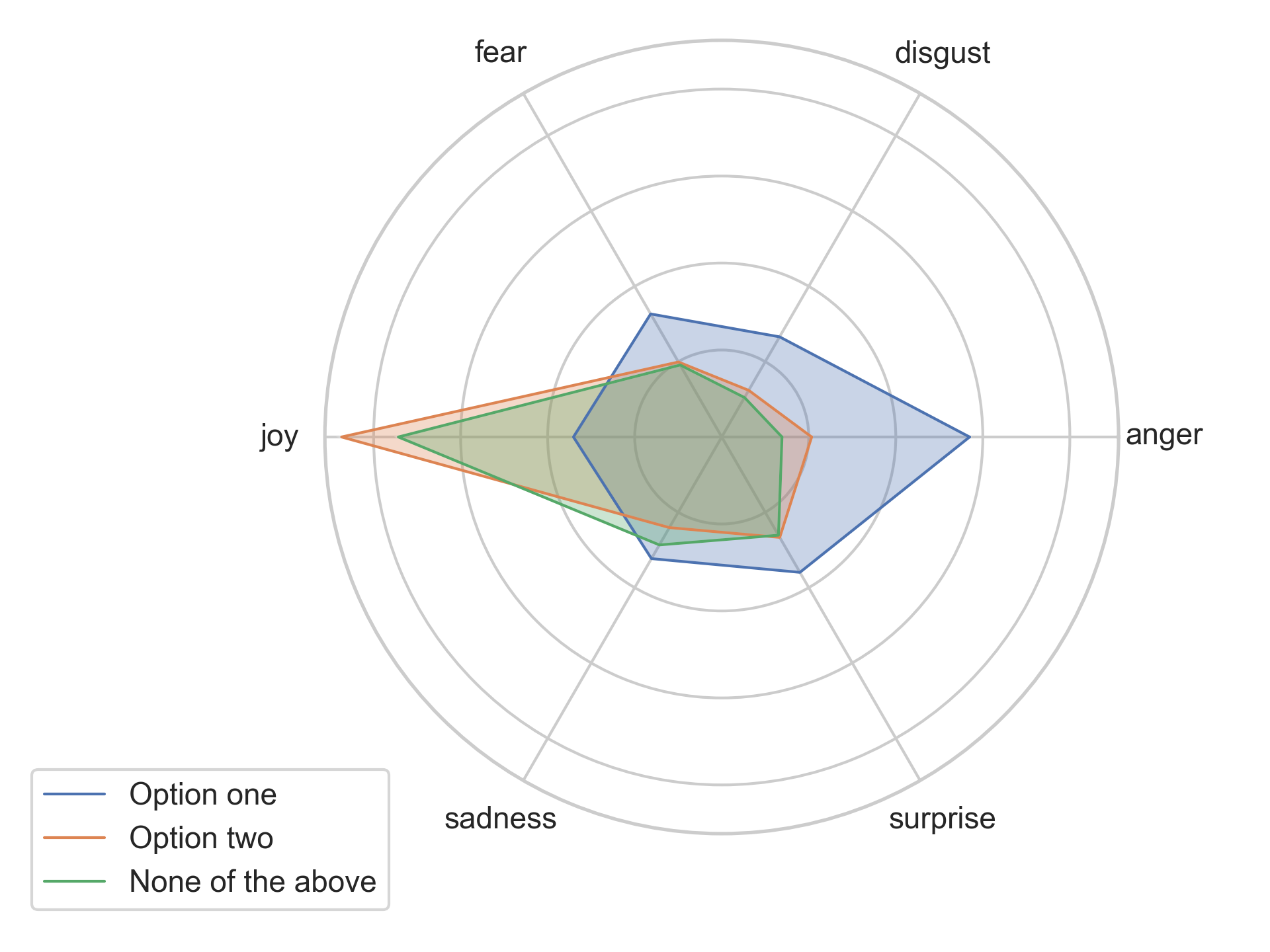
Tāhunanui Beach Facilities Upgrade Report for Nelson City Council
Executive Summary
This report analyzes community feedback regarding the proposed upgrades to the Tāhunanui Beach facilities, focusing on the construction of a new facility for the Nelson Surf Lifesaving Club and the upgrade of existing changing facilities. The feedback overwhelmingly supports Option 2, which involves significant investment in new infrastructure to enhance safety, functionality, and community engagement at the beach. The report highlights the community's desire for modern, multipurpose facilities that can accommodate various sports and recreational activities, potentially including commercial ventures like cafes or event spaces.
Introduction
The Nelson City Council has proposed significant upgrades to the Tāhunanui Beach facilities, prompted by the current inadequacies of the Nelson Surf Lifesaving Club's facilities and the changing rooms used by various sports clubs. This report compiles and analyzes public feedback to guide the council's decision-making process.
Community Feedback Overview
The feedback collected from the community via written submissions shows strong support for Option 2. Residents and local sports clubs have expressed that the current facilities are outdated and inadequate for the needs of a diverse and active community.
Analysis of Community Wellbeing Impacts
- Safety and Accessibility: Improved facilities would enhance safety and emergency responsiveness, which is crucial for a popular beach that attracts both locals and tourists.
- Community Engagement and Recreation: A new facility could serve as a community hub, fostering greater social interaction and community spirit through better and more inclusive facilities.
Economic Considerations
- Investment and Cost: The project involves a significant financial outlay, which includes contributions from both the council and the Nelson Surf Lifesaving Club.
- Potential Revenue Streams: Suggestions from the community include incorporating commercial spaces such as cafes or event venues to generate ongoing revenue.
Environmental Benefits and Challenges
- Sustainability and Design: Any new construction should consider environmental impacts, including potential effects from climate change and sea-level rise. The design should be sustainable and possibly include features that allow relocation or adaptation.
Operational Considerations
- Stakeholder Engagement: Continued consultation with key stakeholders, including local sports clubs and community groups, is crucial.
- Regulatory Compliance: Ensuring that all new constructions comply with environmental and safety regulations is essential.
Comparison of Options
Option 1 (maintaining current facilities) does not meet the community's needs and lacks support. Option 2, despite its higher costs, is strongly favored for its potential to significantly enhance the functionality and appeal of Tāhunanui Beach.
Council's Strategic Objectives Alignment
Option 2 aligns with the council's objectives of improving community facilities, enhancing safety, and promoting active lifestyles.
Recommendations
The report recommends proceeding with Option 2, with considerations for sustainable design and potential revenue-generating facilities. It suggests phased construction and ongoing stakeholder engagement to ensure the project meets community needs and expectations.
Conclusion
Upgrading the Tāhunanui Beach facilities is a critical step towards enhancing community wellbeing, safety, and economic vitality in Nelson. Option 2 offers a comprehensive approach to meet current and future needs, supported by robust community backing and alignment with strategic objectives.
Appendices
Detailed feedback analysis, cost breakdowns, environmental impact assessments, and stakeholder consultation summaries are included in the supplementary documents.