Accessibility strategy/audit Summary
3 comments for Accessibility strategy/audit.
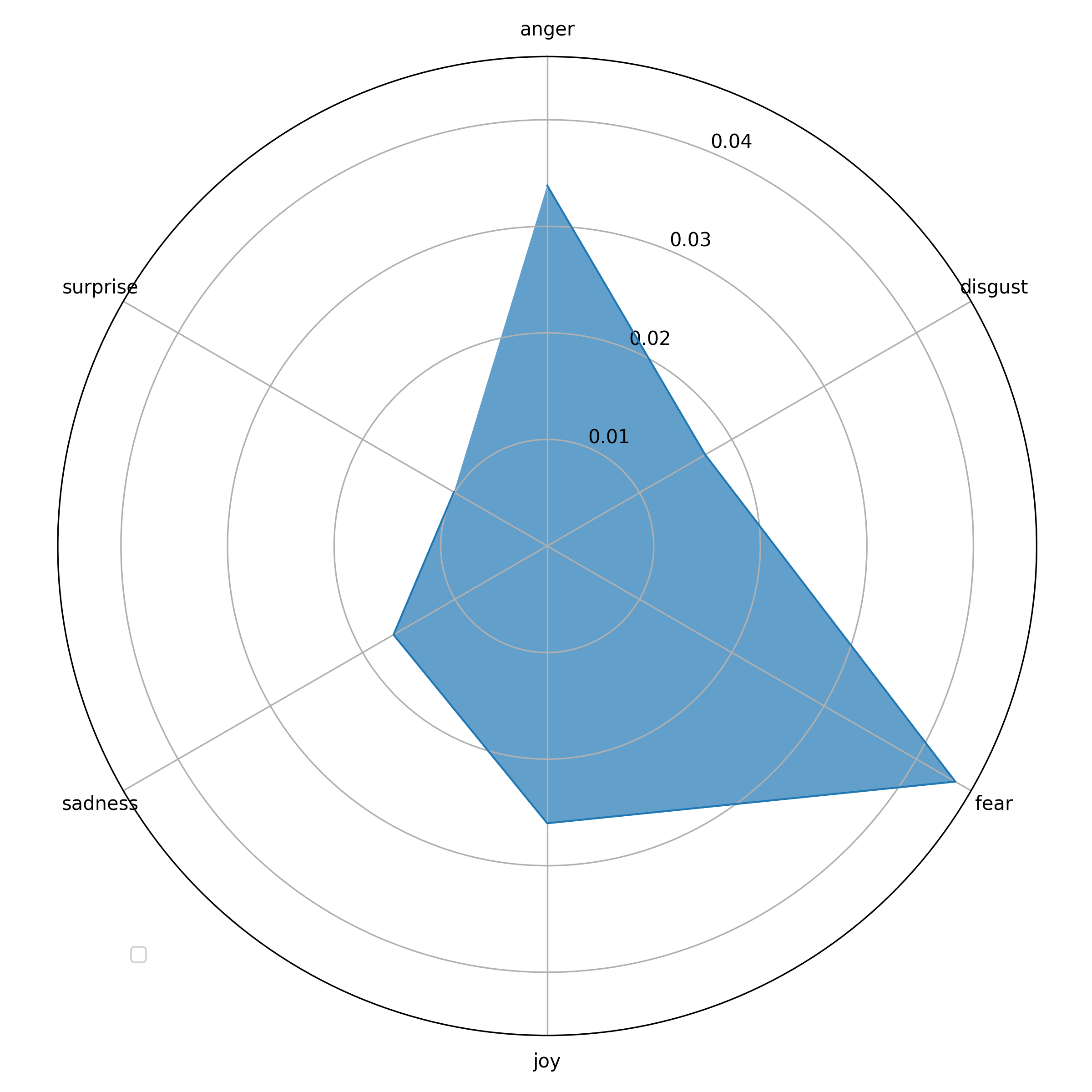
Summary of Comments on Accessibility Strategy/Audit
The feedback from residents regarding the proposed Accessibility Strategy and audit for Nelson City Council's Long Term Plan highlights strong support and constructive suggestions aimed at improving accessibility across various public spaces and services. The comments emphasize the need for comprehensive planning and the inclusion of diverse disability needs in the strategy. Below is a summary of the key points and recommendations from the submissions:
Support for Accessibility Strategy and Audit
- NPHS Te Waipounamu strongly supports the initiative, emphasizing that improvements should benefit not only people with disabilities but also older individuals, those with young children, and people with temporary mobility issues. They recommend considering all types of disabilities, including sensory, mobility, psychiatric, and cognitive impairments. They are keen to provide advice and support in the development of the strategy and audit.
Recommendations for Implementing the Strategy
- Use of Audit Tools: It is recommended to use an audit tool like PARCs20, which assesses the accessibility, usability, and safety of parks and facilities. This tool helps identify barriers such as damaged footpaths and inaccessible amenities, and it includes evaluations of parking spaces, path surfaces, play areas, rest areas, toilets, and drinking fountains.
- Comprehensive Review: Suggestions include reviewing space for pump tracks, bike jumps, appropriate seating, community gardens, outdoor art, fruit trees, native plants for biodiversity and flood protection, covered bike stands, adequate lighting, updated facilities, connectivity to walking and cycling networks, appropriate signage for low vision, and effective waste management.
- Community Involvement: Engaging the community in volunteering for tree planting, weed control, and ecological restoration programs is recommended to enhance public spaces and promote health and wellbeing.
Specific Issues and Additional Recommendations
- Communication Accessibility: There is a need for council communications, including bylaws and plans, to be available in accessible formats consistently, as many are currently only provided in PDF which is not suitable for all. Large print and technology-compatible formats are essential.
- Safety and Accessibility Concerns: Concerns were raised about the safety and accessibility of footpaths, shared pathways, road crossings, council-owned buildings, public transport, and council-involved festivals and events.
- Audit Process Concerns: The current audit process is seen as costly and sometimes ineffective, as exemplified by an audit at Nelson Airport which failed to identify several issues important to vision-impaired residents. It is recommended that auditors have comprehensive knowledge of various disabilities and adhere to best practices and guidelines.
Financial Implications
- A budget of $103,000 is allocated for the development of the council-wide accessibility strategy and audit from 2025/26 to 2027/28.
Conclusion
The feedback indicates a strong community desire for a thorough and inclusive accessibility strategy and audit. The recommendations provided aim to ensure that all residents, regardless of their physical abilities, can safely and comfortably access public spaces and services. The council is advised to consider these recommendations carefully to enhance the effectiveness of the proposed changes and ensure they meet the diverse needs of the community.
| Comment | Point ID |
|---|---|
| NPHS Te Waipounamu strongly supports the development of an Accessibility Strategy and audit to identify areas where improvements can be made to existing recreational sites and amenities, as well as the accessways and pathways connecting them. A more accessible environment will benefit everyone, not just people with disabilities, but older people, those with young children, and people with temporary mobility issues. It is crucial that all types of disabilities are considered in the strategy (including but not limited to hearing, seeing, mobility, agility, psychiatric, speaking, learning and memory) as displayed in the graph (Please refer to attached document, p. 19). We are keen to provide advice and support in the development of this strategy and audit. Engage NPHS is the development of this strategy/audit | 887.32 |
| As mentioned in our submission to the 2021-2031 LTP, NPHS Te Waipounamu recommends that future reviews of reserves policies include all of the alcohol control and the smoke and vape free polices contained in the Saxton Field Reserves management plan to ensure consistency across the region. It may also be included in the general policies that are being developed as outlined on pg 8. NPHS Te Waipounamu recommends utilising an audit tool (such as PARCs20) for assessing whether parks are meeting disability standards be utilised to ensure accessibility. The PARC tool was developed in collaboration with Hutt, Porirua and Wellington city councils, CCS Disability Action and the New Zealand Blind Foundation. The tool evaluates the accessibility, usability and safety of (a) routes and (b) facilities and amenities. The accessible routes section includes: (i) accessible parking spaces and (ii) path surfaces. The facilities and amenities encompass: (i) play areas including play richness, (ii) rest areas (iii) toilets and (iv) drinking fountains. Using such a tool to audit would identify where there are barriers (damaged footpaths, inaccessible playgrounds, toilets and seating) for people to use the spaces. In addition to above, audits should also review: Space for pump tracks, bike jumps Appropriate seating and picnic tables Community garden areas to support access to healthy food Outdoor art features and murals Fruit trees to support access to healthy food Native plants and trees to support shading, biodiversity, flood protection and carbon sequestration Covered bike stands Adequate lighting for safety Updating outdated facilities Paths and connectivity to walking and cycling networks Signage/ wayfinding – appropriate for low vision blind Waste management – recycling bins etc An audit would highlight gaps and support prioritisation of upgrades. We recommend investment into the above amenities as this will have health and environmental co-benefits and increase the number of people using these spaces. Involving the community in volunteering initiatives such as planting trees and weed control could also be a way of supplementing necessary projects. Ecological restoration programs have the potential to enhance people’s wellbeing if designed in ways that intentionally enable health and wellbeing benefits through access to fresh air, space to move, engagement with nature, and opportunities for genuine social connection, sense of achievement and optimism for the future.21 It was noted that the priorities outlined on pg 87 do not seem to fully align with the specific projects/actions proposed directly below. It is understood that making parks and facilities more accessible will be tied in with the accessibility audit mentioned earlier in the Draft Activities Summaries LTP 2024-2034 (pg 79). Recommend involving community volunteers more in the management of parks and reserves such as tree planting and weed control. -Increase the awareness and opportunities for people to volunteer particularly younger people. - provide resources for communities to deliver on their neighbourhood's aspirations in council reserves. | 887.33 |
| Accessibility strategy/audit – To develop a Council-wide approach to improving accessibility and an audit of Council facilities, 2025/26 to 2027/28, $103,000 total. There are many reasons why we support an Accessibility strategy/audit, however we want to highlight the following. 1.Communication in general. The majority of communications from Council are not in formats that we can read. For example, all bylaws and proposed plans are all produced in PDF and we have to ask every time for an accessible format. The only letters we receive that are in large print are from the Transport team and relate to The Total mobility Scheme Ridewise and we thank Marg Parfitt and her team for this, also printed ma��er for example the rates invoices are in small print and emailed again in PDF. We do want to acknowledge that the following publicatons are in large print and available at Elma Turner library, Our Nelson, the Found Directory and draft bylaws, and other discussion documents. However, many Vision Impaired people do not have the ability to read hard copy and rely on technology such as screen readers for PC etc and accessibility assistants on mobile phones. 2.Safety on our footpaths, shared pathways and road crossings. 3.Safety and Accessibility within all council owned buildings 4.Public transport, review of Ebus with accessibility and safety first. 5.Safety and Accessibility of Festivals and events where council is involved. 6.Accessibility Audits. The audit process is costly and fraught with it’s own issues when using a contractor. An example of this is the Audit of The Nelson Airport. There are many points that affect our members that were not highlighted in this audit. These issues are still to be remedied such as not being able to find the lift and no Tactile surfaces on stairs etc. We recommend making sure the auditor has the knowledge to carry out an audit for all disabilities or make sure at the planning stage all Best practice and guidelines are followed. Summary ‐ We all want to participate in the life of our vibrant city but to do this we need to know what is happening and be able to safely access all outdoor spaces. Such as retail areas, parks and reserves and all council owned buildings. We acknowledge we only speak four Vision impaired members and understand people with other disabilities have different needs so we feel all of the Nelson community needs to work together to make Nelson the most accessible city in New Zealand. | 1509.2 |