Kitchenwaste collection Summary
55 comments for Kitchenwaste collection.
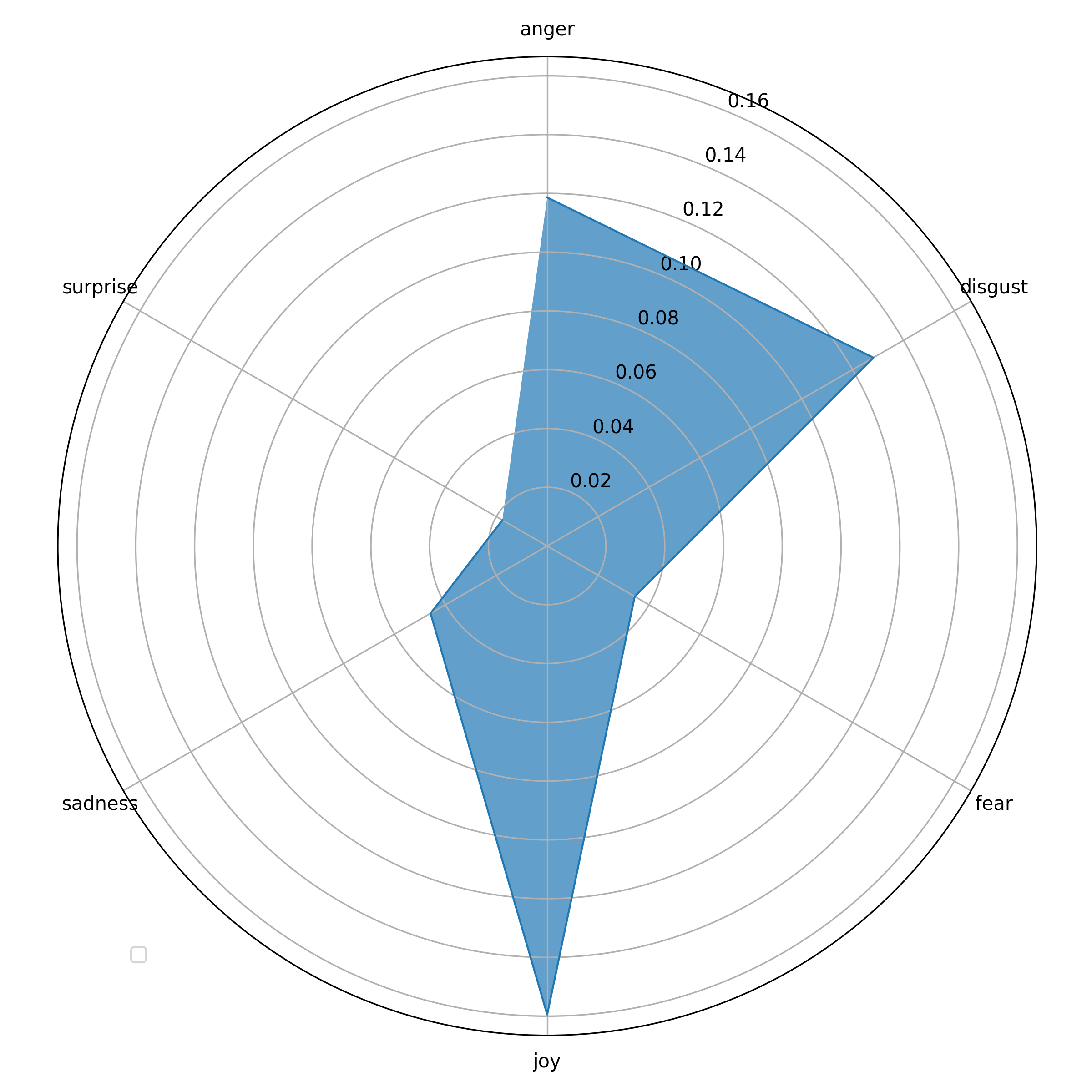
Summary of Resident Feedback on Kitchen Waste Collection Proposal
General Sentiments:
The feedback from Nelson City residents on the proposed kitchen waste collection scheme reveals a mix of support and opposition. Many residents appreciate the environmental benefits of diverting kitchen waste from landfills, citing reduced methane emissions and the potential for compost to enrich local soils. However, there is significant concern about the cost, practicality, and necessity of a centralized collection service, especially given the high level of existing composting practices among residents.
Support for Kitchen Waste Collection:
- Environmental Benefits: Supporters highlight the role of kitchen waste collection in combating climate change by reducing methane emissions from landfills. They note that composting can improve soil health, reduce the need for synthetic fertilizers, and conserve water.
- Community and Economic Benefits: Some submissions emphasize the social and economic advantages of community composting initiatives, such as job creation and community engagement. They suggest that compost produced could be used locally, enhancing sustainability and self-sufficiency.
- Examples of Success: References to successful implementations in other cities like San Francisco and Christchurch are used to argue for the feasibility and effectiveness of such programs.
Opposition to Kitchen Waste Collection:
- Cost Concerns: Many residents are worried about the financial implications of the scheme, questioning whether the benefits justify the projected expenses. They suggest that the funds could be better allocated to other environmental or community projects.
- Practicality and Redundancy: Critics argue that many households already manage their kitchen waste effectively through home composting. They express concerns about the redundancy of a centralized service and the inconvenience it might pose.
- Preference for Local Solutions: There is a strong preference for encouraging and expanding local composting solutions rather than implementing a centralized collection. Suggestions include supporting existing community compost hubs, providing subsidies for home composting systems, and educational programs to promote composting practices.
Recommendations from Submissions:
- Conduct a Feasibility Study: Before proceeding, many residents recommend completing a detailed business case study to assess the financial viability and community acceptance of the proposed kitchen waste collection scheme.
- Community Consultation: It is suggested that further surveys and consultations be conducted to gauge the actual demand and support for the service among residents.
- Support Local Initiatives: Many submissions advocate for the support and expansion of local composting initiatives, which they believe could offer more cost-effective and community-oriented solutions to kitchen waste management.
- Educational Programs: Enhancing awareness and education about the benefits of composting and proper waste segregation at the household level is seen as a critical step.
- Explore User-Pays Models: For those who do not wish to compost at home, a user-pays model for kitchen waste collection could be considered to ensure that only those who use the service bear its costs.
Conclusion:
The council needs to carefully consider the diverse viewpoints and suggestions from the community. While there is acknowledgment of the environmental benefits of diverting kitchen waste from landfills, there is also a strong call for ensuring that any implemented scheme is cost-effective, widely accepted, and complements existing practices rather than replacing them.
| Comment | Point ID |
|---|---|
| Kitchenwaste (and greenwaste more broadly) may be handled at least partially on a local scale, with substantial resident engagement, rather than by large-scale centralisation. Has there been any exploration of initiatives to support neighbourhood compost schemes? | 56.11 |
| I disagree with the kitchen waste proposal, either Christchurch or Auckland has implemented this with mixed success. It involves more plastic kerbside bins, more truck pick ups... Personally, kitchen waste makes up a very small proportion of our total waste and what bit there is goes to compost. Wouldn't waste diversion be better served by widening recycling acceptance of more plastic types, eg. soft plastics? Or instead, generous subsidising of worm farms or Bokashi? | 79.10 |
| Kitchen waste - methane from food waste is big contributor to climate change, and approx 30% of land fill is organic waste. All of which could be composted and then used by both NCC as well as residents etc. Kitchen waste collection has been in places like Timaru, Christchurch for over 15 years, and more recently introduced successfully to Auckland. No good reason why Nelson CC shouldnt do the same. | 353.12 |
| Please prioritise residential composting | 464.14 |
| I plan to do a further submission on the kitchen waste scheme which I am adamantly opposed to for many reasons, including the fact that the business case study for the proposed scheme has not been completed yet and so it is not obvious to the general community whar a complete waste of money this scheme will be. I am sure there are many other things that our Council can spend a $1,000,000 / year on over the next 10 years that will give a much better return to the community and be way more effective in mitigating climate change than the kitchen waste collection scheme. Everyone that I know of, uses compost bins for their kitchen waste and has a vegetable garden - this needs to be encouraged as it's far better for people's mental and physical health, than a scheme where your food scraps are put in a bucket and collected by someone - that's just damn lazy and a complete waste of time and money. For those without a garden, we could have compost bins at community parks, community gardens and schools where people can put their kitchen waste. PLEASE, do NOT waste our money on this kitchen waste scheme, as suspect that there are very few people in the community who would support it anyway, if it did go ahead. Further submission: I Oppose the Kitchenwaste Collection Service. The reasons for this are: 1. The majority of households will not use such as service as they: a. Already compost their own kitchen waste or put it through a sink based waste disposal unit (e.g. an insinkerator). b. Of those that do not compost their kitchen waste, only a percentage (and quite likely a small percentage) would be bothered with putting kitchen waste into a separate container, putting it out for collection on the right day and then cleaning the container afterwards to reuse again. 2. The $10,880,000 budgeted for this scheme could be put to better use by minimising the amount of organic matter that goes to our landfill by: a. Further school and community promotions and educational programs to remind people of the financial, and both physical and mental health benefits, of gardening and growing your own flowers, vegetables and fruit. By encouraging people to grow their own food and flowers, will not only increase our residents well-being, but it also increases their awareness of the value of food and the importance of eating locally produced food, whilst also encouraging them to compost their own kitchen waste. It therefore also reduces the amount of food that needs to be brought into our region and the associated food miles with such imported food. b. Making the disposal of green waste more affordable. For many households, including us, the only organic waste that leaves our property, apart from meat products, is noxious weeds or those weeds that are difficult to compost at at home, such as twitch / couch, Oxalis, sedges, Convolvulus, etc. These we end up dumping in our rubbish bin as it is more convenient and cheaper to do this than to collect them up and take them to the recycling centre or have a separate bin for green waste. If there was a green waste bin on our street or at a nearby park, that we could put this in, that would be the ideal solution and it would potentially divert a lot of green waste from going to landfill. Alternatively, maybe housholds could be offered a subsidised green waste bin at minimal cost that could be picked up at minimal cost as required? 3. A business case study looking at the feasibility of a Kitchen Waste Collection has not been completed yet. I would like to see NCC wait until this case study has been completed before it is added to the long term plan. I therefore encourage our council to defer adding it to the long term plan until the business case study has been completed and consulted on with our community. 4. TDC has decided to take the Kitchen Waste Collection scheme out of their long term plan and we should therefore be questioning why they have done this and also how much extra the scheme would cost us if we were to do it alone, as just one council. I suspect that we are similar to many households in the fact that we have the smallest general waste bin available, which is picked up weekly and this easily holds both our household waste and green waste that can't be composted, so unfortunately our green waste goes to landfill, as otherwise it would cost us extra to dispose of it as green waste. Somehow we need to come up with a sustainable, viable and cost effective way to better divert this green waste from landfill as this is possibly more of an issue than domestic kitchen waste. In summary, instead of a domestic kitchenwaste collection service, some of this money could be spent to ensure that the majority of putrescible waste is easily and cost effectively diverted from landfill by: 1. Encouraging more people to compost their kitchen waste. 2. Encouraging people to meet and chat with their neighbours to see who has a compost bin and if they would like additional kitchen waste for it. 3. Installing community compost bins: - outside apartment buildings, - in parks and reserves that are next to urban areas and, - at schools, etc. 4. Encouraging people and schools to become more involved in community gardens, and setting up more localised, neighbourhood community gardens and orchards on Council land, possibly through Council support of hand tools, a tool shed (a shed company or a store like Mitre10 or Bunnings may sponsor the shed) and the setting up of garden beds (possibly also through the assistance of community support groups like the Lions Club). 5. Looking at long term affordable and sustainable ways to help and encourage people to divert their garden green waste from going to landfill. Nelson is one the best places in New Zealand for growing food crops due to our amazing climate and soils. As a Council and a community, we should be taking advantage of this - we could easily be an innovative, show case to the world of how kitchen waste can easily be converted back into compost and more fresh fruit and vegetables locally, without any expensive collection service that requires staff and major resources. I support a user pays Food Waste Collection Service for commercial operations such as hospitality businesses (including bars, restaurants, takeaways and motels) and food distributors (such as bread distributors and fresh fruit and vegetable distributors and stores), etc. These organisations can end up dumping a lot of food waste - I have personally seen and photographed a large skip load of bread, presumably getting sent to landfill). Before any further money is spent on researching or financing a domestic kitchen waste collection service, it is imperative that a survey of residents it undertaken to see how many people would actually use such a service, and included in the survey, an estimate of the amount of kitchenwaste that is likely to be produced by each participant. | 559.10 |
| Kitchen Waste - Kitchenwaste I reckon should be mostly or all fertilizers to local garden plots and NCC maintained gardens, pulling the nutrients out of the community to flare off methane or digest it for fuel is a high tech solution with less value to community. | 773.17 |
| Hello, my name is Tess and I've been advocating for composting, green initiatives, and a more sustainable future for the past 26 years. I'm originally from California but have been living in sunny Whakatu for the past two years. When I first moved to Nelson, Community Compost was one of the first organizations I was introduced to. Attending their volunteering sessions each Saturday in the community garden and Tuesday at their industrial composting facility allowed me to meet so many amazing, kind, and passionate people. They really introduced me to the Nelson community as a whole and I think without them, the city would not be the same. Whenever I say I work for Community Compost someone always has some connection or positive thing to say. I've never seen so many people care so much about making the environment and the community a better place. I don't know why we would ever want to take away the funds, inspiration, and support for something like that. It also just doesn't make sense as households would actually save $120 yearly if they joined in on the composting scheme. Also, you cant use the waste levies money on anything besides waste minimization and composting is the single most efficient climate action individuals can take according to research from the US Project Drawdown organization. Also, sending food scraps to the landfill is just a waste. We are loosing so much nitrogen rich organic material that could be turned into soil and benefit the entire community. Not just with growing vegetables but actually making soil more prone to slips. Compost is the best resource for so many different things and there really is truly no price you can put on that. I urge you to keep composting in your long-term plan. I know that Community Compost and composting in general is the only solution. There is no way this kitchenwaste issue can be taken away and if you do it will only continue to get worse. | 785.10 |
| Food Waste Absolutely support this initiative. | 809.11 |
| Please retain the Kitchen Waste Collection in the Long Term Plan | 817.9 |
| **** Kitchenwaste There would be a lot of organisation and cost necessary for this to succeed, and at the end of the day the environmental benefits would again hardly be measurable | 828.17 |
| Kia ora Tima! I'm Ben Plows-Kolff. I'm born in Whakatū, grew up here and returned about 15 years ago (after studying in Dunedin and working in other cities) to settle down. I currently run the Dutch coffee cart at the Nelson Saturday Market. Given my connection to the area and intention to stay here, I care deeply about it’s future. Two points I want to comment on. Firstly, composting. Secondly, the toilets at Montgomery Square carpark in relation to the Saturday market. Composting When Ben Bushell first started, Community Compost I went along to help with processing food scraps collected from around the rohe. I have been involved with the organisation ever since. I really value the connection and social engagement of working with the diverse range of volunteers there and the sense of contribution to our community. I’ve heard council is planning to terminate its current composting services and feel concerned because composting is such an important action every individual (even kids) can take to mitigate their impact on the climate. I especially want to see Community Compost supported to continue the amazing mahi it does for our rohe. This includes: Educating our community Brining people together and giving them a sense of value, meaning and purpose enriching soils reducing greenhouse gas emissions saving money in rubbish collection Compost is a precious resource and I realise the value might not seem immediately economically evident but there are so many benefits that are very hard to measure purely in term of economics. These include increasing the nutrient content and biodiversity of soil microbes conserving water and reducing water use by helping soils retain moisture helping to prevent soil erosion by reducing soil compaction and runoff I’m aware there are people against spending money on composting and I definitely understand that people are really struggling financially. But, to me, this is non-negotiable – we have to take climate action seriously whether we like it or not. There are many examples of successful composting initiatives in large cities overseas which I believe otherwise have written about in submissions, so it is clearly possible for it to be viable here too. I recommend keeping composting on the long-term plan and taking constructive steps to support more environmental initiatives like Community Compost. | 841.10 |
| composting kai to prevent entering landfill is ideal. Compost could be sold or used in council projects. | 847.10 |
| Kia Ora Nelson City Council Members, I hope this letter finds you well. My name is Kylie, I’ve lived in Nelson for 1.5 years. As a passionate supporter of the environment, I’m reaching out to you to maintain kitchen waste composting programs on the long-term plan in support of Community Compost. I’m passionate about keeping composting on the long-term plan because climate change and healthy families. Composting is the most important individual action someone can take to mitigate their impact on the climate. I firmly believe in our future as a thriving &self-sustaining community, and I know that Community Compost’s initiatives can improve the community by enriching soils, reducing greenhouse gas emissions, and saving money in recovering food scraps from landfills. First, compost increases the nutrient content and biodiversity of soil microbes. It also conserves water and reduces water use by helping soils retain moisture. Finally, compost helps prevent soil erosion by reducing soil compaction and runoff. Over 100 million bacteria, insects, and worms are in just one handful of compost. By letting food scraps go to landfills, we are wasting precious resources and organic matter that can make our veggies grow stronger, the air we breathe cleaner, and the land more resilient to natural disasters, which will cost the council in the future. Second, according to Project Drawdown, composting reduces greenhouse gas emissions by 50%. Compost also sequesters carbon and reduces the demand for nitrogen-based and synthetic fertilizers. In New Zealand, organic waste, like food scraps, accounts for about one-third of household rubbish bins. When these organics end up in landfills, they decompose without oxygen and produce methane—a potent greenhouse gas contributing significantly to climate change (WasteMINZ). City-wide composting initiatives can tremendously impact the environment and local communities. In 1996, San Francisco began requiring residents and businesses to separate food scraps and yard waste for composting. As a result of this program, the city now diverts 80% of its waste from landfills and has the highest composting rate in the country. This program has been so successful that other cities, such as Seattle, Boston, and New York City, have implemented similar initiatives. Third, composting saves individuals and the council money. Project Drawdowns research shows that “an increase in the market price of finished compost (driven by the demand of more climate-friendly agricultural practices) and/or a decrease in the operating costs through innovation and process design could create a financial advantage for composting over landfilling.” Organic waste costs Nelson households $3.6m yearly to collect and dump in landfills. The proposed organic waste collection would recover nutrients and energy from the waste for only $1.5m yearly. In addition, households use 78 rubbish bags annually, which cost $375. If organic waste is collected separately, households could reduce that to just one bag per week, saving $125 yearly. Waste levies, not households, also cover organic waste collection costs ranging between $56 and $111 yearly. I recommend keeping composting on the long-term plan. This potential change to the current compost plan can not proceed, and instead, constructive steps should be taken to support more environmental initiatives like Community Compost. Sincerely, Kylie Chebahtah | 850.10 |
| Kitchenwaste - is the $10 million to run the programme or investigate it? You already did a trial. Only support this IF the financial benefits/gains or diverting the kitchen waste from landfill exceeds the cost of diverting, otherwise don't bother. Spend more money on getting people to do it at home where it doesn't need to be taken anywhere. | 851.10 |
| Please keep the composting facility. Very important to have good soil. It is life! | 857.10 |
| 1. Food waste diversion from land fill. In the 1970s, we had a composting collecting area on our central city block. Keeping things as local as possible is best. Most people, in recent years, seem to have forgotten these skills. The second alternative is to collect appropriate organic matter and compost it at a central place. This has already been trialed, I believe successfully. | 860.3 |
| A. Kitchen Composting I have lived in Nelson since 1991. I have been a passionate supporter of the environment since my teenage years in the 1970’s. I will become a first-time grandmother in June. I am submitting on behalf of future generations to show I care about how my actions will affect them. I want Nelson City Council to maintain kitchen waste composting programs in the Long-Term plan via support to Community Compost. I live in a small way in The Wood with 15 houses. Like many modern homes the gardens are small so composting at home is a challenge - plus I do not wish to attract rodents. I joined to Community compost approx 3 years ago. I upsized my bucket to one large enough to cover kitchen waste from other residents in our street. I love the Community Compost service because it is so convenient. As it is collected weekly there is not enough time for it to become smelly. Most importantly I know I am making a positive difference to the environment. The high nutrient compost can be used locally by residents, councils and the horticulture industry. My garden service has just spread some of this wonderful compost on my garden and the plants appreciate it. My use of blue plastic rubbish bags has decreased significantly as volume of waste reduced plus I do not have to put a partly full bag out as I used to because of the smell of decaying food waste. With appropriate council support (Nelson and Tasman) the scheme could be extended to cover all households plus restaurants, food outlets and supermarkets. Later it could be extended to include green waste from gardening. An expanded volume of material would generate large quantities of high-quality compost. Given Nelson Tasman is a horticulture and wine growing region this compost could be used locally. That would reduce the fossil fuel component of imported compost and provide supply chain security into the future. I have visited the San Francisco Bay area and seen their service in action. The collection bins for green waste are twice the size of landfill waste bins. There is a weekly kerbside (footpath) collection. The finished compost is in high demand in the nearby Napa Valley and other wine growing regions. By continuing to support the kitchen compost scheme and related initiatives the Nelson City Council achieves other goals: • positive action related its previously declared “Climate Change Emergency” • a best practice solution for food waste it can refer to under it's “Smart Little City” branding Eleanor Denton Submission Nelson City Council Long Term Plan 24 April 2024 2 • If implemented successfully this could bring positive attention from other councils around New Zealand and even internationally looking to implement or improve on similar schemes • reduction in waste producing methane from landfill(s) • compost would be available to supply Nelmac or other contractors working on Nelson City Council parks and reserves at cost or a subsidized rate • extends the life of the York Valley landfill, a huge cost saving to rate payers • new landfills are incredibly expensive to build. There are issues around consenting plus finding an appropriate location that is acceptable to the residents of the city and earthquake safe. • when food compost is used on horticulture and viticulture it helps retain moisture in the soil and would deduces demand for water from dams in Nelson and Tasman regions. Water supply from dams is likely to come under increasing pressure with hotter, drier summers as result of climate change combined with population growth. Kitchen Waste Composting Conclusion I ask Nelson City Council to vote to retain funding for the Community Compost Kitchen scheme in both Long Term and Annual Plans. I support the business case proposal being prepared with Tasman District Council on extensions to the service. My vision is to see a collection scheme for both Kitchen and green waste Nelson Tasman wide. | 882.10 |
| Kia Ora Nelson City Council Members, I hope this letter finds you well. My name is James and I'm a Computer Science Engineer and mountain enthusiast. As a passionate supporter of the environment, I’m reaching out to you to maintain kitchen waste composting programs on the long-term plan in support of Community Compost. I’m passionate about keeping composting on the long-term plan because I'm a young adult and I want to have a healthy environment and town as I get older. I also love fresh vegetables and compost gives me that. Composting is the most important individual action someone can take to mitigate their impact on the climate. I firmly believe in family, hard-work, and the outdoors and I know that Community Compost’s initiatives can improve the community by enriching soils, reducing greenhouse gas emissions, and saving money in recovering food scraps from landfills. First, compost increases the nutrient content and biodiversity of soil microbes. It also conserves water and reduces water use by helping soils retain moisture. Finally, compost helps prevent soil erosion by reducing soil compaction and runoff. Over 100 million bacteria, insects, and worms are in just one handful of compost. By letting food scraps go to landfills, we are wasting precious resources and organic matter that can make our veggies grow stronger, the air we breathe cleaner, and the land more resilient to natural disasters, which will cost the council in the future. Second, according to Project Drawdown, composting reduces greenhouse gas emissions by 50%. Compost also sequesters carbon and reduces the demand for nitrogen-based and synthetic fertilizers. In New Zealand, organic waste, like food scraps, accounts for about one-third of household rubbish bins. When these organics end up in landfills, they decompose without oxygen and produce methane—a potent greenhouse gas contributing significantly to climate change (WasteMINZ). City-wide composting initiatives can tremendously impact the environment and local communities. In 1996, San Francisco began requiring residents and businesses to separate food scraps and yard waste for composting. As a result of this program, the city now diverts 80% of its waste from landfills and has the highest composting rate in the country. This program has been so successful that other cities, such as Seattle, Boston, and New York City, have implemented similar initiatives. Third, composting saves individuals and the council money. Project Drawdowns research shows that “an increase in the market price of finished compost (driven by the demand of more climate-friendly agricultural practices) and/or a decrease in the operating costs through innovation and process design could create a financial advantage for composting over landfilling.” Organic waste costs Nelson households $3.6m yearly to collect and dump in landfills. The proposed organic waste collection would recover nutrients and energy from the waste for only $1.5m yearly. In addition, households use 78 rubbish bags annually, which cost $375. If organic waste is collected separately, households could reduce that to just one bag per week, saving $125 yearly. Waste levies, not households, also cover organic waste collection costs ranging between $56 and $111 yearly. I recommend keeping composting on the long-term plan. This potential change to the current compost plan can not proceed, and instead, constructive steps should be taken to support more environmental initiatives like Community Compost. Sincerely, James Cimino | 884.10 |
| Kia Ora Nelson City Council Members, I hope this letter finds you well. My name is Carey, my family has had a house in Nelson for the past 20 years. As a passionate supporter of the environment, I’m reaching out to you to maintain kitchen waste composting programs on the long-term plan in support of Community Compost. I’m passionate about keeping composting on the long-term plan because I care about future generations wellbeing and creating a regenerative economy that is sustainable and supports food waste use. Composting is the most important individual action someone can take to mitigate their impact on the climate. I firmly believe in helping nonprofits, volunteers, and the community and I know that Community Compost’s initiatives can improve the community by enriching soils, reducing greenhouse gas emissions, and saving money in recovering food scraps from landfills. First, compost increases the nutrient content and biodiversity of soil microbes. It also conserves water and reduces water use by helping soils retain moisture. Finally, compost helps prevent soil erosion by reducing soil compaction and runoff. Over 100 million bacteria, insects, and worms are in just one handful of compost. By letting food scraps go to landfills, we are wasting precious resources and organic matter that can make our veggies grow stronger, the air we breathe cleaner, and the land more resilient to natural disasters, which will cost the council in the future. Second, according to Project Drawdown, composting reduces greenhouse gas emissions by 50%. Compost also sequesters carbon and reduces the demand for nitrogen-based and synthetic fertilizers. In New Zealand, organic waste, like food scraps, accounts for about one-third of household rubbish bins. When these organics end up in landfills, they decompose without oxygen and produce methane—a potent greenhouse gas contributing significantly to climate change (WasteMINZ). City-wide composting initiatives can tremendously impact the environment and local communities. In 1996, San Francisco began requiring residents and businesses to separate food scraps and yard waste for composting. As a result of this program, the city now diverts 80% of its waste from landfills and has the highest composting rate in the country. This program has been so successful that other cities, such as Seattle, Boston, and New York City, have implemented similar initiatives. Third, composting saves individuals and the council money. Project Drawdowns research shows that “an increase in the market price of finished compost (driven by the demand of more climate-friendly agricultural practices) and/or a decrease in the operating costs through innovation and process design could create a financial advantage for composting over landfilling.” Organic waste costs Nelson households $3.6m yearly to collect and dump in landfills. The proposed organic waste collection would recover nutrients and energy from the waste for only $1.5m yearly. In addition, households use 78 rubbish bags annually, which cost $375. If organic waste is collected separately, households could reduce that to just one bag per week, saving $125 yearly. Waste levies, not households, also cover organic waste collection costs ranging between $56 and $111 yearly. I recommend keeping composting on the long-term plan. This potential change to the current compost plan can not proceed, and instead, constructive steps should be taken to support more environmental initiatives like Community Compost. Sincerely, Carey Doust | 885.10 |
| Kia Ora Nelson City Council Members, I hope this letter finds you well. My name is Jim and I wish to keep composting. As a passionate supporter of the environment, I’m reaching out to you to maintain kitchen waste composting programs on the long-term plan in support of Community Compost. I’m passionate about keeping composting on the long-term plan because I care about the environment, healthy soil, food security, and helping the team who do amazing work in Nelson. Composting is the most important individual action someone can take to mitigate their impact on the climate. I firmly believe in small actions making a big differnce, and I know that Community Compost’s initiatives can improve the community by enriching soils, reducing greenhouse gas emissions, and saving money in recovering food scraps from landfills. First, compost increases the nutrient content and biodiversity of soil microbes. It also conserves water and reduces water use by helping soils retain moisture. Finally, compost helps prevent soil erosion by reducing soil compaction and runoff. Over 100 million bacteria, insects, and worms are in just one handful of compost. By letting food scraps go to landfills, we are wasting precious resources and organic matter that can make our veggies grow stronger, the air we breathe cleaner, and the land more resilient to natural disasters, which will cost the council in the future. Second, according to Project Drawdown, composting reduces greenhouse gas emissions by 50%. Compost also sequesters carbon and reduces the demand for nitrogen-based and synthetic fertilizers. In New Zealand, organic waste, like food scraps, accounts for about one-third of household rubbish bins. When these organics end up in landfills, they decompose without oxygen and produce methane—a potent greenhouse gas contributing significantly to climate change (WasteMINZ). City-wide composting initiatives can tremendously impact the environment and local communities. In 1996, San Francisco began requiring residents and businesses to separate food scraps and yard waste for composting. As a result of this program, the city now diverts 80% of its waste from landfills and has the highest composting rate in the country. This program has been so successful that other cities, such as Seattle, Boston, and New York City, have implemented similar initiatives. Third, composting saves individuals and the council money. Project Drawdowns research shows that “an increase in the market price of finished compost (driven by the demand of more climate-friendly agricultural practices) and/or a decrease in the operating costs through innovation and process design could create a financial advantage for composting over landfilling.” Organic waste costs Nelson households $3.6m yearly to collect and dump in landfills. The proposed organic waste collection would recover nutrients and energy from the waste for only $1.5m yearly. In addition, households use 78 rubbish bags annually, which cost $375. If organic waste is collected separately, households could reduce that to just one bag per week, saving $125 yearly. Waste levies, not households, also cover organic waste collection costs ranging between $56 and $111 yearly. I recommend keeping composting on the long-term plan. This potential change to the current compost plan can not proceed, and instead, constructive steps should be taken to support more environmental initiatives like Community Compost. Sincerely, Jim Cimino | 886.10 |
| Kitchenwaste NPHS Te Waipounamu supports the joint partnership (between NCC and TDC) to explore the viability of a kitchenwaste collection service that will look at the diversion of kitchenwaste from landfill for composting, fertilizer production, and/or energy generation. It is unclear what waste comes under ‘kitchenwaste’ e.g. food waste, etc. We recommend making this clear. NPHS Te Waipounamu has an interest in where the kitchenwaste disposal/composting plant might be located. There have been significant negative impacts on people’s health and wellbeing as a result of the smell from Christchurch’s composting plant located in Bromley. Support: We recommend making explicit what comes under 'Kitchenwaste; or look to rename. | 887.14 |
| Kia ora, I am Hannah, I grew up in Nelson and am back living here after a quick time away. Nelson is a great place for the beaches, rivers and mountains we have so close and these are a big part of why I am taking time to submit on the long term plan because I want to ensure that we and our mokopuna for many more generations will be able to enjoy these places too. So I am commenting in support of community compost to have continued funding at minimum until the 2027/8 kitchen waste plan is put in place and for community compost to help be apart of the set up, planning and running of that scheme as there is a lot of knowledge around composting within the group. Not only does community compost provide a great service which saves money from council both short term from general waste collections as a significant amount is diverted but also in the long term by decreasing emmissions and not taking up landfil space. Community compost is then able to make use of the nutrients as te taiao intended to grow more kai and again and again and again. Taking away funding would not only stop or decrease the ecological and financial benefits but decrease the social physical benefits many people get from spending their saturdays at the garden helping make community compost happen. As a lot of community compost are volunteers there isn’t big running costs and I appreciate the finacial help you have given so far and I hope you understand that continuing to fund compost club (and working with compost club to begin offering compost services to more nelson residents and businesses) will not only continue the huge all round benefits of composting for Nelson and beyond but will result in less long term costs as well. | 894.10 |
| Kia Ora Nelson City Council Members, I hope this letter finds you well. My name is Paddy, I’ve lived in Nelson for almost 4 years. I was raised in Wellington and have come to know what New Zealand stands for and the environmental values we've seen without disruption. As a passionate supporter of the environment, I’m reaching out to you to maintain kitchen waste composting programs on the long-term plan in support of Community Compost. I’m passionate about keeping composting on the long-term plan because I love composting, organic gardens, and have been volunteering with Compost Club for the past 2 years. They're my favorite start to every Saturday morning and taking this away from us would not only make me deeply sad but I would lose community and friends that have become my family. The gardens have become our home. Helping Nelson residents reduce waste inspires us and we have so many plans that we want to do in the future to make composting even more abundant throughout all of New Zealand. It would be a shame if you didn't support these initiatives and the potential possibilities we could create to benefit not only the environment but the 53,000 people that call this place home. Composting is the most important individual action someone can take to mitigate their impact on the climate. I firmly believe that the work Compost has done over seven years with hundreds of households, local businesses, and volunteers to try to reduce our town's waste, feed people in need, regenerate the soil, and give back whatever they can to help fight climate change. Compost has some of the kindest, smartest, and most empathetic people involved, and they are so open to having anyone experience and learn from what they do. They are the true definition of community. I know that Community Compost’s initiatives can improve Nelson by enriching soils, reducing greenhouse gas emissions, and saving money in recovering food scraps from landfills. We must keep composting on the long term plan to further this amazing work and show our residents that we hear them and that they are worthy of our respect, trust, and care. Compost increases the nutrient content and biodiversity of soil microbes. It also conserves water and reduces water use by helping soils retain moisture. Finally, compost helps prevent soil erosion by reducing soil compaction and runoff. Over 100 million bacteria, insects, and worms are in just one handful of compost. By letting food scraps go to landfills, we are wasting precious resources and organic matter that can make our veggies grow stronger, the air we breathe cleaner, and the land more resilient to natural disasters, which will cost the council in the future. Second, according to Project Drawdown, composting reduces greenhouse gas emissions by 50%. Compost also sequesters carbon and reduces the demand for nitrogen-based and synthetic fertilizers. In New Zealand, organic waste, like food scraps, accounts for about one-third of household rubbish bins. When these organics end up in landfills, they decompose without oxygen and produce methane—a potent greenhouse gas contributing significantly to climate change (WasteMINZ). City-wide composting initiatives can tremendously impact the environment and local communities. In 1996, San Francisco began requiring residents and businesses to separate food scraps and yard waste for composting. As a result of this program, the city now diverts 80% of its waste from landfills and has the highest composting rate in the country. This program has been so successful that other cities, such as Seattle, Boston, and New York City, have implemented similar initiatives. Third, composting saves individuals and the council money. Project Drawdowns research shows that “an increase in the market price of finished compost (driven by the demand of more climate-friendly agricultural practices) and/or a decrease in the operating costs through innovation and process design could create a financial advantage for composting over landfilling.” Organic waste costs Nelson households $3.6m yearly to collect and dump in landfills. The proposed organic waste collection would recover nutrients and energy from the waste for only $1.5m yearly. In addition, households use 78 rubbish bags annually, which cost $375. If organic waste is collected separately, households could reduce that to just one bag per week, saving $125 yearly. Waste levies, not households, also cover organic waste collection costs ranging between $56 and $111 yearly. We compost at home already but it would be great if we could compost through the city as well to have even more room for other vegetables and plants in our garden instead of having our compost pile. In addition, we want more living soil to help reduce the effects of increased storms from climate change and compost has protected our garden. It has also brought fan tails, bell birds, and so many native birds back to our backyard and we would love to have this throughout all of Nelson if you found a way to move the money around and budget to increase composting for everyone. It is a basic human right to have clean air, soil, water, and food and with the help of Community Compost we can have all of these things and more you just have to choose to make the right decision. I recommend keeping composting on the long-term plan. This potential change to the current compost plan can not proceed, and instead, constructive steps should be taken to support more environmental initiatives like Community Compost. Thank you for reading my submission and taking into account all sides. Sincerely, Patrick (Paddy) Anderson | 923.10 |
| Solid Waste I support the implementation of a household food waste collection service. Food waste and other organic waste create methane gas when disposed of to landfill. These emissions can be reduced if organic waste is diverted away from landfill. | 946.9 |
| - KERBSIDE KITCHEN WASTE COLLECTION …. Until the Business Plan has been completed and all aspects including risk have been considered no commitment to funding should be agreed until discussions have been undertaken with TDC. | 959.15 |
| We strongly support the retention and expansion of a food waste collection service, and suggest it's important that this be expanded to all businesses in the catering and food handling sectors. This can be argued to be a sound economic and emission-reducing activity in terms of methane output. It would be serious step backwards if Council was to undo the positives that the joint efforts of Community Compost and NCC have resulted in. The scheme has significantly reduced the number of bags sent to landfill. Waste levies can cover the retention and expansion of such a scheme. (CF MOE funding for food scrap and collection processing systems. Please retain this very important part of our community's fabric and recognise the contribution it makes in terms of wellbeing and positive modelling. It would be a real shame if NCC were to let this go rather than upscaling the model which has proven benefits in other centre. In regard to other waste, we hope that NCC cann be pro-active in terms of education of our community's reliance on single-use containers and work with other councils to advocate for a National Container Returns scheme. | 978.14 |
| Kitchen Waste I support funding for the diversion of kitchen waste from landfill for composting and fertilizer, but perhaps not for energy production (depending on the details). | 982.16 |
| I do support kerbside collection of food waste to reduce landfill | 1006.11 |
| I would really like to see council prioritise curbside compost pickup through the infrastructure already in place through Community Compost. | 1028.10 |
| Support a household food waste collection on service | 1047.11 |
| Household food waste collection I support the implementation on of a household food waste collection service. Food waste and other organic waste create methane gas when disposed of to landfill. The nutrients in this material should be returned to our soils to support local commercial and community food growing capacity. The LTP uses the term “kitchen waste” rather than food waste. We suggest the term “food waste” or “food scraps" would be more accurate, as it would include all food discarded from households (e.g., fruit skins, packed lunch waste), not just that generated in the kitchen. The term “food waste” more explicitly excludes non‐organic kitchen waste such as packaging….. Funding is available now through the Ministry for the Environment for the implementation of a food scrap collection and processing system. I suggest NCC applies for funding so that Council funds for waste minimisation etc. (i.e. its solid waste account) are available for other initiatives such as the prevention of food waste through behaviour change schemes and supporting existing community waste reduction initiatives. | 1057.11 |
| Kerbside Kitchen Waste Collection. Think compost onsite a better option. Don’t support collection at present. | 1073.5 |
| Kitchenwaste I do not support a kitchenwaste collection service, this money would be better spent giving out home compost bins and lowering landfill fees to avoid fly tipping. | 1094.12 |
| Kitchenwaste Leave kitchen waste out of the Council scope. Leave households to compost their own waste. Put the money towards providing households with compost options. | 1136.13 |
| please keep community composting in the long term plan! | 1156.6 |
| Please keep composting as a long term and accessible option for the Nelson community! | 1165.6 |
| I would like to see the Council continue to support the Community Compost Hub. Keeping waste out of landfill is a major issue we need to be tackling. I know that NCC does promote the importance of composting but, like many other councils around NZ and the World, NCC could and should be doing even more to promote the benefits of composting. This is a critical project we need to retain in the LTP, to help reduce greenhouse gas emissions, to keep the Council's costs of dealing with waste down, to promote a healthy environment by ensuring we recycle food scraps in a sustainable way, turning them to beautiful compost that can be used to grow healthy food rather than burying them underground in an anaerobic environment, contributing to the production of methane. | 1226.10 |
| Kia Ora Nelson City Council Members, I hope this letter finds you well. My name is Santosha Phillips, I’ve lived in Whakatū for a total of around 35 years. As a passionate supporter of the environment, I’m reaching out to you to maintain kitchen waste composting programs on the long-term plan in support of Community Compost. I’m passionate about keeping composting on the long-term plan because it diverts organic waste from landfill, where it does harm, into a productive and enriching product. Composting is the most important individual action someone can take to mitigate their impact on the climate. I firmly believe in taking positive action for our community and environment, and I know that Community Compost’s initiatives can improve the community by enriching soils, reducing greenhouse gas emissions, and saving money in recovering food scraps from landfills. First, compost increases the nutrient content and biodiversity of soil microbes. It also conserves water and reduces water use by helping soils retain moisture. Finally, compost helps prevent soil erosion by reducing soil compaction and runoff. Over 100 million bacteria, insects, and worms are in just one handful of compost. By letting food scraps go to landfills, we are wasting precious resources and organic matter that can make our veggies grow stronger, the air we breathe cleaner, and the land more resilient to natural disasters, which will cost the council in the future. Second, according to Project Drawdown, composting reduces greenhouse gas emissions by 50%. Compost also sequesters carbon and reduces the demand for nitrogen-based and synthetic fertilizers. In New Zealand, organic waste, like food scraps, accounts for about one-third of household rubbish bins. When these organics end up in landfills, they decompose without oxygen and produce methane—a potent greenhouse gas contributing significantly to climate change (WasteMINZ). City-wide composting initiatives can tremendously impact the environment and local communities. In 1996, San Francisco began requiring residents and businesses to separate food scraps and yard waste for composting. As a result of this program, the city now diverts 80% of its waste from landfills and has the highest composting rate in the country. This program has been so successful that other cities, such as Seattle, Boston, and New York City, have implemented similar initiatives. Third, composting saves individuals and the council money. Project Drawdowns research shows that “an increase in the market price of finished compost (driven by the demand of more climate-friendly agricultural practices) and/or a decrease in the operating costs through innovation and process design could create a financial advantage for composting over landfilling.” Organic waste costs Nelson households $3.6m yearly to collect and dump in landfills. The proposed organic waste collection would recover nutrients and energy from the waste for only $1.5m yearly. In addition, households use 78 rubbish bags annually, which cost $375. If organic waste is collected separately, households could reduce that to just one bag per week, saving $125 yearly. Waste levies, not households, also cover organic waste collection costs ranging between $56 and $111 yearly. I recommend keeping composting on the long-term plan. This potential change to the current compost plan can not proceed, and instead, constructive steps should be taken to support more environmental initiatives like Community Compost. Nāku noa na, Santosha Phillips | 1256.4 |
| Support a household food waste collection service Applyfor MFE funding to implement a food scrap collection and processing system | 1258.14 |
| Support a household food waste collection service Applyfor MFE funding to implement a food scrap collection and processing system | 1265.13 |
| Support a household food waste collection service Applyfor MFE funding to implement a food scrap collection and processing system | 1266.14 |
| Support a household food waste collection service Applyfor MFE funding to implement a food scrap collection and processing system | 1268.14 |
| I recommend keeping composting on the long-term plan. This potential change to the current compost plan can not proceed, and instead, constructive steps should be taken to support more environmental initiatives like Community Compost. | 1272.11 |
| 1) Diversion of food waste and construction waste away from landfill. In fact, anything that can be diverted away from landfill should be. | 1296.9 |
| Kia ora koutou, My name is Nicole Hecht. I am originally from Canada, though I travelled internationally for about 10 years since becoming a teacher. I have lived the last 5 years in the Nelson area and intend to settle here with my partner, who is a local. Being a secondary school teacher I care deeply about the future of this city for our youth. Having settled here in my thirties, I’m very invested in the growth of the city and would love it to thrive, sustainably. I have been a part of Community Compost almost as long as I have lived in Nelson and I would like to comment specifically on Nelson’s composting services in relation to the long term plan. To me, the values and ideas of composting are the most logical, ethical, and easy to follow. I value the connection and social engagement of working with the diverse range of volunteers there and the sense of contribution to our community, but even more than that is the shared value that everyone brings; Food scraps making gorgeous, nutrient-rich soil is the only option when the other option is landfill and toxic gasses from anaerobic foodstuffs. My partner and I have heard council is planning to terminate its current composting services and feel concerned because composting is such an important action every individual (even kids) can take to mitigate their impact on the climate. When done through education and en mass, the improvements to our lives and ecological footprint is enormous. Like my partner, I especially want to see Community Compost supported to continue the amazing mahi it does for our rohe. This includes: Educating our community and new generations to do things differently Reducing carbon emissions Reducing landfill Brining people together and giving them a sense of value, meaning and purpose Enriching soils Reducing greenhouse gas emissions Saving money in rubbish collection Compost is a precious resource and I realise the value might not seem immediately economically evident, but there are so many benefits that are very hard to measure purely in term of economics. These include Increasing the nutrient content and biodiversity of soil microbes which, Decreases the need for chemical fertilisers and makes us less dependent on petrochemical interventions. This leads to an increase in nutritional value of the food we eat Conserving water and reducing water use by helping soils retain moisture Helping to prevent soil erosion by reducing soil compaction and runoff I’m aware there are people against spending money on composting and I definitely understand that people are really struggling financially. But, to me, this is non-negotiable – we have to take climate action seriously whether we like it or not. There are many examples of successful composting initiatives in large cities overseas, which I believe others have written about in submissions, so it is clearly possible for it to be viable here too. I recommend keeping composting on the long-term plan and taking constructive steps to support more environmental initiatives like Community Compost. | 1299.9 |
| I support the exploration of a food waste collection program. | 1305.8 |
| Food waste. All organic waste needs to be kept out of landfill. The Climate Change Commission, Ministry for the Environment etc. all state this. To do this we need to reduce the organic waste that is created. This includes construction and demolition waste, cardboard, paper, timber, biosolids etc. as well as food waste. I know Council is doing some work to address this issue but unless we need to up the game. There needs to be much more emphasis on reducing the generation of food waste through behaviour change programmes, better design of buildings so that less waste is created and buildings are carbon positive, etc. But, food waste behaviour change has a limit, and is a commercial issue as well as a household one. If we had a solution for composting food waste into good quality compost, in our local neighbourhoods, we would then regionally improve our soils for food production, without the need for importing fertilisers, and without the need to truck the food waste around the region. We would create local community jobs and community hubs. Some of these hubs could be sited in existing community hubs, if that is what those communities want. These distributed operations would be scaled to meet local demands and may not all look the same. A lot of work is being done in other regions to establish such centres and documenting the benefits of such hubs to their communities. This could be one way of building our local communities and making them more resilient. The compost service installation would be funded at least partly by central government, but also likely by local businesses. The service would be provided to businesses for a fee, to help support the operational costs. Council alongside TDC needs to seriously consider such a system. Perhaps a separate system to handle biosolids such as that to be trialed by Alimentary Systems would be a good option? We need to ensure that the business case the the two Councils are to commission has a wide enough scope to cover such a setup. In the meantime we have a great service from Community Compost in Nelson. Council needs to support that setup, perhaps through applying for funding from Ministry for the Environment to ensure it can continue and expand to meet more of the needs of our whole community, including the business sector. Relying on the capture of methane gas from landfill to remove these emissions is not good enough. It also prevents the nutrients from the food waste going back into our soils and so close that nutrient loop. I believe a recent report from Eunomia states that costs to households will reduce with a food waste collection system. With no ratepayer funding needed to install processing systems because funding can be obtained from Ministry for the Environment, it seems obvious that we need to move forward on the implementation of a suitable system, but include the community in identifying what that system should look like, taking into account other benefits such as job creation, strengthening communities, closing the nutrient loop by feeding the nutrients back into our soils etc. | 1324.10 |
| We are totally supportive of the kitchenwaste collection project. We tried to use Community Compost but their fees are too expensive, even though we applaud their initiative. | 1343.7 |
| Food Waste Composting in our Smart Little City Project Drawdown, a science-based research organization, has recently found that reducing food waste is the most impactful climate action that individuals can take. Composting reduces waste, makes us less dependent on landfills, and decreases greenhouse gas emissions, specifically methane from food rotting in landfills. Community Compost believes that keeping composting in the LTP will save households money, utilize the waste minimization project budget, and provide a valuable resource to the community. By participating in this scheme, households can save up to $125 per year, as they would only need one rubbish bag per week instead of 1.5. The cost of collections, around $80 annually, will be funded by waste levies, not the individuals. Even if composting is removed from the LTP, it will not reduce rates as the law states that money can only go to waste minimization projects like this. Composting strengthens soil, promotes healthy plant growth, and is an invaluable resource for the community. With more organic matter, soil can better retain water, nutrients, and air, thus benefiting the entire ecosystem by reducing runoff and erosion while creating valuable fertilizers for farms. In addition, composting reduces the need for synthetic fertilizers and pesticides. In conclusion, composting is a simple yet effective way to reduce waste, cut down on greenhouse gas emissions, and create a valuable resource for the community. By participating in this scheme, households can save money while making a positive impact on the environment. Let’s help the environment and our local community today by continuing to support composting. I would like to speak my submission. | 1363.6 |
| SUPPORT COMMUNITY COMPOST Having resided in Nelson for 35 years, my deep commitment to environmental stewardship compels me to advocate for the continuation of kitchen waste composting programs in the long-term plan, particularly in support of Community Compost. Composting is pivotal in reducing greenhouse gases and enhancing biodiversity, making it the cornerstone of individual climate action. I firmly believe in the transformative impact of Community Compost's initiatives on our community, enriching soil health, curbing greenhouse gas emissions, and promoting cost-saving measures by diverting food scraps from landfills. Firstly, composting enriches soil quality and fosters biodiversity, benefiting from a myriad of nutrient-rich microbes while conserving water and mitigating soil erosion. Every handful of compost teems with over 100 million bacteria, insects, and worms, underscoring its value in sustaining ecosystems and fostering resilience against natural disasters. Secondly, composting emerges as a potent tool in the fight against climate change, reducing greenhouse gas emissions by a staggering 50%. By diverting organic waste from landfills, composting not only curbs methane production but also diminishes the need for nitrogen-based and synthetic fertilizers, promoting sustainable agricultural practices. Thirdly, composting presents substantial cost-saving opportunities for both individuals and the council. Research from Project Drawdown suggests that innovative composting practices could yield financial advantages over traditional landfilling methods. In Nelson, diverting organic waste from landfills could result in significant annual savings, both for households and in waste management costs covered by waste levies. Given the environmental, economic, and community benefits of composting, I strongly advocate for its inclusion in the long-term plan. Any deviation from current composting practices should be reconsidered, with a concerted effort directed towards supporting initiatives like Community Compost that champion sustainability and environmental responsibility. Thank-you | 1394.10 |
| I also support the following environmental initiatives, and would like to see them included in the LTP: 1) Diversion of food waste and construction waste away from landfill. In fact, anything that can be diverted away from landfill should be. | 1397.7 |
| Kia Ora Nelson City Council, My name is Luisa, I’ve lived in Nelson for 1 year. I am writing this to ask you to maintain kitchen waste composting programs on the long-term plan, in support of Community Compost. I care about keeping composting on the long-term plan because it is the best possible way to get value from resource that food waste represents, by nurturing soil and enriching the ecosystem. I know that Community Compost’s initiatives can not only enriching soil, but also reducing greenhouse gas emissions and save money in recovering food scraps from landfills. First, compost increases the nutrient content and biodiversity of soil microbes. It also conserves water and reduces water use by helping soils retain moisture. Finally, compost helps prevent soil erosion by reducing soil compaction and runoff. Over 100 million bacteria, insects, and worms are in just one handful of compost. By letting food scraps go to landfills, we are wasting precious resources and organic matter that can make our veggies grow stronger, the air we breathe cleaner, and the land more resilient to natural disasters, which will cost the council in the future. Second, according to Project Drawdown, composting reduces greenhouse gas emissions by 50%. Compost also sequesters carbon and reduces the demand for nitrogen-based and synthetic fertilizers. In New Zealand, organic waste, like food scraps, accounts for about one-third of household rubbish bins. When these organics end up in landfills, they decompose without oxygen and produce methane—a potent greenhouse gas contributing significantly to climate change (WasteMINZ). City-wide composting initiatives can tremendously impact the environment and local communities. In 1996, San Francisco began requiring residents and businesses to separate food scraps and yard waste for composting. As a result of this program, the city now diverts 80% of its waste from landfills and has the highest composting rate in the country. This program has been so successful that other cities, such as Seattle, Boston, and New York City, have implemented similar initiatives. Third, composting saves individuals and the council money. Project Drawdowns research shows that “an increase in the market price of finished compost (driven by the demand of more climate-friendly agricultural practices) and/or a decrease in the operating costs through innovation and process design could create a financial advantage for composting over landfilling.” Organic waste costs Nelson households $3.6m yearly to collect and dump in landfills. The proposed organic waste collection would recover nutrients and energy from the waste for only $1.5m yearly. In addition, households use 78 rubbish bags annually, which cost $375. If organic waste is collected separately, households could reduce that to just one bag per week, saving $125 yearly. Waste levies, not households, also cover organic waste collection costs ranging between $56 and $111 yearly. I consider that it is vital to keep composting on the long-term plan. This potential change to the current compost plan can not proceed, and instead, constructive steps should be taken to support more environmental initiatives like Community Compost. Please take this opportunity to take climate-positive action for the benefit of local residents and our whole environment! Sincerely, Luisa Zuppardi-Smith | 1406.10 |
| Kitchenwaste collection 42. Wakatū support this initiative. | 1445.10 |
| Rotting waste food (putrescibles) currently makes up ~17% of waste to the joint NCC and TDC York Valley landfill, but contributes ~30% of greenhouse gas emissions from the landfill. Reducing food waste is a very straightforward and practical way to reduce emissions. We strongly support the retention of the Council’s food waste initiatives, with a strong focus on reducing food waste through public education on food wastage reduction options, food banks, and curb-side food waste recycling. Efficient food waste composting by Council could both provide a useful source of compost for planting initiatives and a source of income to the Council. We urge Council to bring forward the budget provision for this initiative from the 2027/28 year to the 2024/25 year, particularly as the funding to undertake this programme does not come from rates but from central and local government levies. We see this as an easy climate win with positive benefits for households as well, in reduced food and rubbish costs, and allows Council to demonstrate both its climate credentials and willingness to address cost-of-living pressures. Win-win! A Eunomia report gives an example of a household that uses 78 rubbish bags per year (1.5 per week) at a cost of $375 per year. If they reduce this to one bag per week (52 per year) as a result of organic waste being collected separately (as organic waste makes on one-third of domestic waste on average), this would be result in household savings of $124.80 per year based on a bag price of $4.80. | 1474.23 |
| Household food waste collection The Forum supports the implementation of a household food waste collection service. Food waste and other organic waste create methane gas when disposed of to landfill. The nutrients in this material should be returned to our soils to support local commercial and community food growing capacity3 . The LTP uses the term “kitchen waste” rather than food waste. We suggest the term “food waste” or “food scraps" would be more accurate, as it would include all food discarded from households (e.g., fruit skins, packed lunch waste), not just that generated in the kitchen. The term “food waste” more explicitly excludes non-organic kitchen waste such as packaging. To implement such a system, facilities for processing food waste will be required throughout the region. That processing capacity should be sized and positioned to accept all organic waste from the region, not just household food waste. A distributed, community-managed solution of composting facilities, such as that offered by Community Compost, and the full social, employment, and environmental benefits, alongside financial benefits, should be assessed against any other solution as part of the terms of reference of the business case. F Funding is available now through the Ministry for the Environment for the implementation of a food scrap collection and processing system.4 We suggest NCC applies for funding so that Council funds for waste minimisation etc. (i.e. its solid waste account) are available for other initiatives such as the prevention of food waste through behaviour change schemes and supporting existing community waste reduction initiatives. Joint Waste Management and Minimisation Plan We note that NCC and TDC have started work on a new Joint Waste Management and Minimisation Plan (JWMMP) to replace the current plan during the term of this LTP. NTCF would like to be included in the development of the JWMMP, as we have members with significant experience with solid waste reduction. Other community and business experts in waste reduction should also be included in developing the plan. Recycling services To reduce the cost of recycling, Council should focus on reducing the use of single use containers within the community. One approach is to work with other councils to advocate to central government for a national container returns scheme. Council can also support the development of other activities that reuse waste materials and divert them from the recycling stream. Risks from solid waste activities The Council notes the Risks to NCC in the Solid Waste section of the Draft Council Activities Summaries LTP 2024-34. To manage these risks, NCC should not accept business as usual (BAU). Council needs to be proactive in reducing the generation of waste which should be a focus of the JWMMP. This is why the community should be involved in the development of the JWMMP, which should include consideration of the following issues: a. Increases in receipts from landfill levy. The central government levy placed on disposal to landfill will increase as of 1 July 20245 by $10 per tonne. NCC’s allocation, which is on a per ratepayer capita basis, will therefore increase and will also be increasing with the growth of the population of Nelson. NCC should invest the levy funds into developing a distributed, community-led service to reduce waste from landfill, and providing additional support to existing community initiatives to reduce the generation of waste. These could be developed in local community hubs providing paid employment. b. The draft LTP states (page 11) that over the lifetime of the plan, $47.1 million will be spent on projects to reduce waste to landfill. Where is the information on this spend? We believe much of it is business as usual, i.e. kerbside recycling, transfer station operation, landfill management etc. that just continues the practice of dealing with resources at their end of life rather than investing in a circular economy, keeping the resources in use. c. The Activities document notes that the Materials Recovery facility in Tasman is at capacity. Suggestions of expanding this facility are based on BAU, again. We can’t keep increasing recycling as a method for diverting waste from landfill because there are limited markets for recycled materials. We need to stop the generation of waste, stop the use of single use containers etc. The Council should work with other councils to gain support for a container return scheme and to develop reuse systems such as a local bottling plant. NCC can work with the community and local businesses to develop these and other options. d. Landfill management – We congratulate NCC for installing more methane capture capacity in the York Valley landfill. Driving the reduction of organic waste and diverting it to composting will further reduce methane emissions and enable more nutrients to be used to restore local soils for food production. e. The solid waste section does not mention any allowance of funds to manage the waste from emergency events such as floods and earthquakes. This risk should be acknowledged and provided for. | 1494.11 |