Weed control programme budget reduction Summary
14 comments for Weed control programme budget reduction.
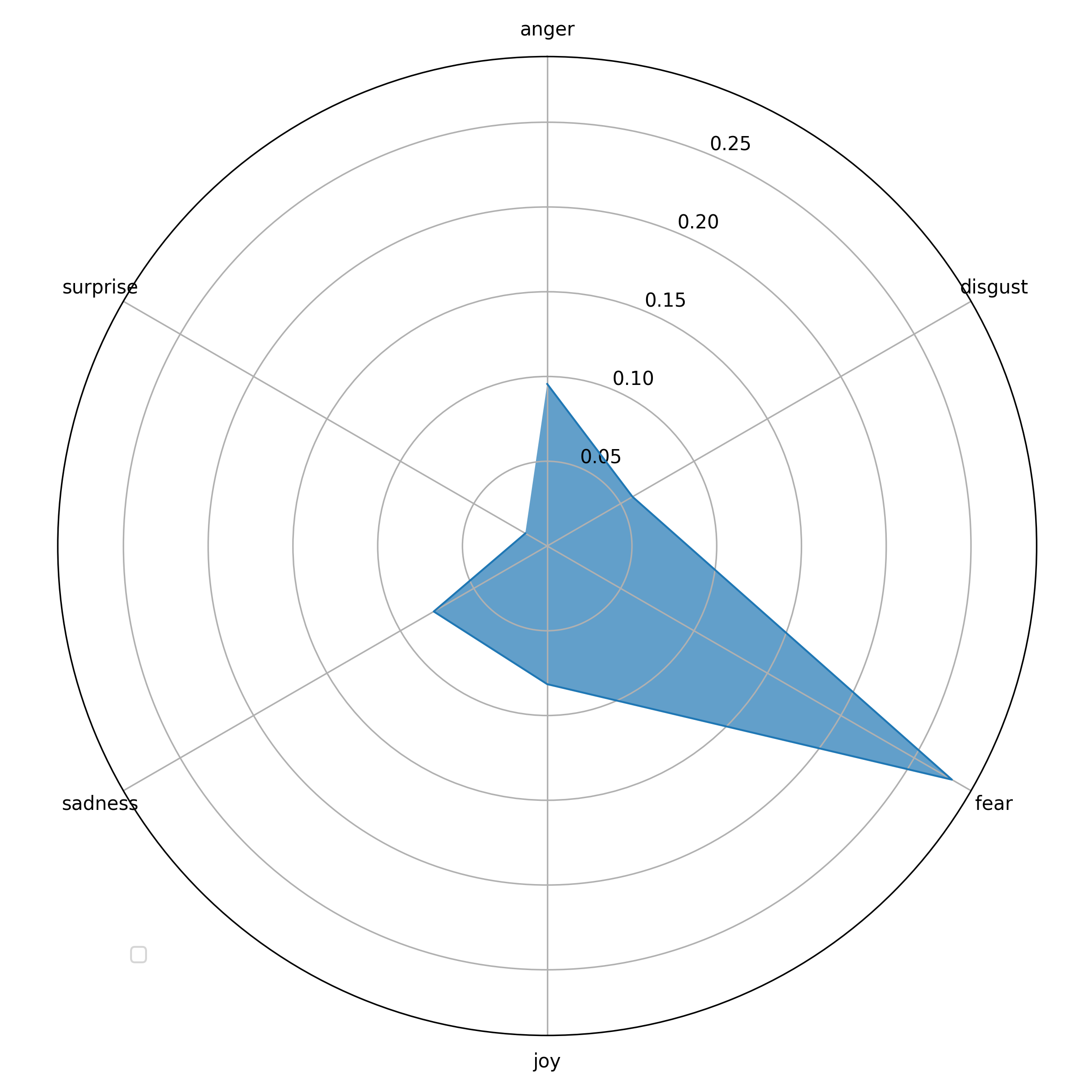
Summary of Resident Feedback on Proposed Weed Control Programme Budget Reduction
Overview
The Nelson City Council's proposal to reduce the budget for the weed control programme has elicited significant feedback from residents. The majority express concern over the potential negative impacts of reduced funding on local biodiversity and the long-term financial implications of failing to adequately control invasive weed species.
Key Themes and Concerns
- Impact on Biodiversity and Ecosystem Health:
- Many residents highlighted the critical role of weed control in preserving biodiversity and maintaining healthy ecosystems. They pointed out that invasive species like Old Man’s Beard, Banana Passionfruit, and Climbing Asparagus pose severe threats to native vegetation and overall ecological balance.
-
Submissions frequently mentioned specific areas like The Grampians and conservation reserves, where previous investments have shown positive outcomes. There is a strong sentiment that reducing funding could reverse these gains.
-
Financial Implications:
- Several comments addressed the financial shortsightedness of the proposed budget cuts. Residents argue that reducing weed control efforts now will likely lead to higher costs in the future as the weed problem worsens and becomes more expensive to manage.
-
The potential need for increased future expenditure to regain control over invasive species was a common concern.
-
Previous Successes and Ongoing Projects:
- Submissions often referenced successful ongoing projects such as Project Mahitahi and Nelson Nature, which have benefited from focused weed control efforts. There is a strong desire to continue the momentum gained from these initiatives rather than scaling them back.
- The integration of government-funded projects like Jobs for Nature, which have significantly contributed to local weed control efforts, was also highlighted as a reason to maintain or increase current funding levels.
Recommendations from Submissions
- Maintain or Increase Funding: The predominant recommendation is to either maintain the current funding levels or increase them to ensure the continuation of effective weed control measures. This is seen as essential not only for ecological health but also for the long-term financial efficiency of managing invasive species.
- Prioritize Long-term Ecological and Financial Health: Residents urge the council to consider the long-term ecological and financial benefits of sustained investment in weed control, emphasizing that cuts now could lead to greater expenses in the future.
- Focus on Existing Efforts: There is a call to focus resources on maintaining and enhancing the results achieved in existing conservation areas rather than expanding new plantings without adequate follow-up care.
Conclusion
The feedback from Nelson City residents clearly indicates a strong opposition to the proposed reductions in the weed control budget. The overarching concern is that such cuts would undermine the health of local ecosystems and lead to increased costs in the future due to escalated weed problems. The council is advised to consider these concerns carefully and assess the long-term implications of the proposed budget cuts on both the environment and the city’s finances.
| Comment | Point ID |
|---|---|
| Despite the natural environment being the first point listed in key community outcomes, there appears very little direct spending in the next 10 years for conservation. Big savings in weed control- see page 87 of the activity’s summaries. We see the growing weed problem across the district as serious, and only going to get worse if it is not controlled. This real threat to the NCC budget will only catch up with NCC later with even more cost and resources needed to achieve control to acceptable levels. This is a bad decision to cut spending on pest control. | 25.8 |
| Council has done a fantastic job over the last 10 years or so with it's environmental programmes such as Project Mahitahi and Nelson Nature, and it was great to see an increased budget for weed control on landscape and conservation reserves in the last Long Term Plan. I appreciate that, in trying to balance budgets and keep rates rises affordable, some programs have to be scaled back, but I would encourage Council to ensure there is sufficient funding in the parks and reserves budget to at least maintain what has been achieved to date, and not to go backwards (which would then require an even higher investment in future years). | 184.7 |
| ****Weed control Still necessary | 828.21 |
| Weed control - we still need weed control. | 851.11 |
| However I strongly support retaining the current provisions for weed control, all biodiversity work, and action on climate change. Infrastructure can be fixed later, and markings on roads can as well. But weeds grow, biodiversity continues to decline, and we face both a biodiversity and climate crisis. We can't pause action on those as we pass the costs of them onto future generations otherwise, and face losing critical ecosystems, habitats, and potentially irreversible outcomes result. I am concerned about current proposed reductions in weed control and other biodiversity and climate spending. These are issues for the future and must be maintained. | 898.8 |
| TNC has strong concerns over any proposed reduction in activities that support strong biodiversity and climate outcomes. In particular, we have concerns about the following reduction in investment in weed control for the 24/25 FY. TNC has worked closely with Councils and DOC across the KMTT area to implement a $6 million investment into weed control, some of which has been allocated to work across The Grampians over the past 3 years. The following was prepared by our Project Manager, Hudson Dodd, who has been leading the Restoring and Protecting Flora (weed led work) for the past 2 1/2 years: Of the many biodiversity challenges that New Zealand is grappling with, invasive plants (“weeds”) is one of – if the not the – most challenging and critical to address. How critical? While invasive mammalian predators garner significant attention due to their impacts on native wildlife, which threaten specific species with extinction, invasive plants threaten entire ecosystems with obliteration. In the words of Parliamentary Commissioner for the Environment, Simon Upton, in his recent report, “Some plants that have naturalised here threaten to smother native ecosystems and prevent the regeneration of native plants. If left to their own devices, these weeds will transform our natural environment beyond recognition.” Nelson City Council’s 2021 Long Term Plan acknowledged that Council’s previous annual funding for weed control “has not been sufficient to manage pest plants, especially vine species including Old Man’s Beard, Banana Passionfruit, and Climbing Asparagus.” The plan recognised the importance of giving effect to Council’s statutory responsibility to address the threat of weeds on Council-managed public land. It stated, “Conservation and landscape reserves in particular have large areas of weed infestation which degrades biodiversity values. Ecological restoration plans have been drafted to restore the biodiversity of these areas. Implementing these plans with a focus on controlling weeds and planting with native species will be a key focus area.” That plan allocated “$250,000 in Year 1, $669,000 in Year 2, rising to $1.7 million in Year 7 (inflation adjusted). This funding is for widespread pest plant control work on Council land – totalling $11.5 million over the next 10 years, with many significant benefits to both biodiversity and the wellbeing of our community.” The 2021 LTP’s increased funding for weed control was specifically leveraging the significant investment in this area coming to Nelson City and neighbouring districts (Buller, Tasman, Marlborough) from Government in the form the Jobs for Nature initiative’s $6M grant for strategic weed control through the multi-year Restoring and Protecting Flora project. This project has delivered over 17,000 ha of weed control at over 150 sites across Te Tauihu andKawatiri (the Top of the South and Buller), including two-and-a-half years of control of major weed infestations in Nelson’s The Grampians Reserve. The NCC 2021 LTP’s vision was to build on this major public investment to maintain the gains delivered by the Restoring and Protecting Flora project, and ensure this important work is not lost in a return of weed infestations – which was an important consideration by the Jobs for Nature project team when allocating this body of tax-funded work in The Grampians. While the draft NCC 2024 LTP only delays the expansion of the weed control in landscape reserves by a year, given the historical context described above, we believe it is unwise to delay the investment in weed work, as any delays could result in the need for additional investment over and above what is planned for now. | 899.4 |
| Weed control programme budget reduction, saving of $720,000 concerns me. The Grampians is a good example of how weeds are damaging mature trees. | 911.10 |
| Two major things stand out from the preamble The decrease in Science and Environment (which is a retrograde move given the state of our biodiverity and the incredible 'natural resource' on the doorstep of the city and the decrease in weeding - these two things together will lead to huge backsliding in the incredible progress of the team in Science and Environment who make landscape scale decisions which benefit the environment (a huge draw for visitors to the region). | 1040.8 |
| In regards to Other Proposed Projects & Changes: Weed Control programme budget reduction - 2024/25 savings of $720,000. STRONGLY DISAGREE: This is a shortsighted proposal. A budget reduction will in the long term be a disaster for the region. If anything, additional budget is required to battle the climbing asparagus / Asparagus scandens beginning to dominant native bush back side of Botanical hill, areas of Grampians. Old mans beard, banana passionfruit, Japanese honeysuckle, privot species, Taiwan cherry, convolvulus, morning glory etc, etc. All these plus more weed species are left to dominate will quickly smother & kill off the native plantings within the Conservation areas of the Nelson region. Previously focus has been put into new regenarative planting versus spending money on weed control throughout the existing native growing areas. Many reserve areas planted up on mass with natives within the past 5 years have had no follow up maintenance of weed control & have been succumbed to convolvulus & other vine weeds. Sir Stanley Whitehead reserve under threat with Wooley nightshade, old mans beard & banana Passionfruit. Just another reserve of many throughout the Nelson area under threat of weed domination. Fail to understand why weed control has so little importance compared to new plantings. The cost of new native plantings is the cheapest component, the follow up maintenance of weed control over 3+ years is the most costly. Why not concentrate the budget on saving the existing native plantings from weed dominance rather than pumping moner inot new plantings? By far more sustainable. | 1374.8 |
| Continuing the mowing, gardnen maintenance, track maintenance, pest control. | 1377.8 |
| I wish to disagree with the Nelson City Council's plan to cut $720,000 from the weed control programme for the Conservation and Landscape Reserves. I believe that this proposal is contrary to the Community Outcomes of : "Our unique natural environment is healthy and protected." and "Our urban and rural environments are people-friendly, well planned and sustainably managed" By cutting back on weed control, the many years of effort that have gone into achieving their current outcomes will be lost or at a minimum severely negatively impacted. By simply not doing this work will see gains lost and set back the control programme many years. The weeds will continue to grow, and without adequate control, will go to seed, resulting in higher weed growth/population in years to come and at a significant cost just to get the environment back to that state from where it was when the weed control programme was stopped. By stopping the weed control work, it will have a detrimental impact on our natural environment, which will no longer be "protected" By stopping the weed control work, the outcome of the environment being "sustainably managed" will be highly compromised as the pause on the weed control work will result in greater inputs in the future being required just to get these reserves back to their current status and level of current weed control. Thank you for your consideration of this submission | 1431.2 |
| It is somewhat difficult to know exactly what Council is proposing in this item, as Beyond the Storm gives the impression that the proposed cut to the weed control programme in landscape reserves is actually a delay of programme expansion by a year. This would result in a small change that is likely to have relatively limited ecological impact. In contrast, the Activities Summary states that the proposal is to decrease funding by deferring the implementation of ecological restoration plan measures, with the funding to be increased by $500,000 in 2028/29 and 2029/30. This indicates that there will be a deferral period of four years, before priority weed control will commence in these areas. In each case, the savings to be banked are forecast at $720,000. We are concerned at any proposed reduction in weed control, particularly where it relates to undertaking ecological restoration, and allows known weeds to proliferate uncontrolled for four years. We believe the cost savings of a mere $720,000 over ten years are insignificant against the potential harm of not doing the required weed control work as quickly as possible. Delaying weed control is likely to exacerbate the problem and potentially to increase ecosystem stress, and may end up costing Council far more in the long term. We need our ecosystems to be as healthy as possible, and reducing weed burdens is a key component of maintaining ecosystem health. We urge Council to cut the funds from other areas, not from weed control and not from parks contracts. | 1474.9 |
| Forest & Bird encourages the council to retain its previously agreed weeds budget and we do not support reducing it. We consider this a necessary investment that will provide cost savings in the long run. | 1495.3 |
| I do not support deferring any weed control as proposed in: Draft Activity Summary Page 87 Weed Control Program Relative to the amounts of money discussed in the LTP, $720,000 cut from the weed control budget is a drop in a bucket. There’s nothing “smart little city” – ish about relegating good environmental work to the bottom of the list, losing impetus and ground, and leaving skilled contractors out in the cold. | 1500.3 |